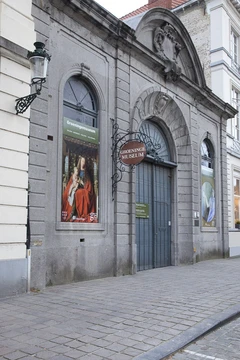
Luca della Robbia
Italian Renaissance sculptor who invented tin-glazed terracotta statuary.

Yair Haklai · CC BY-SA 4.0
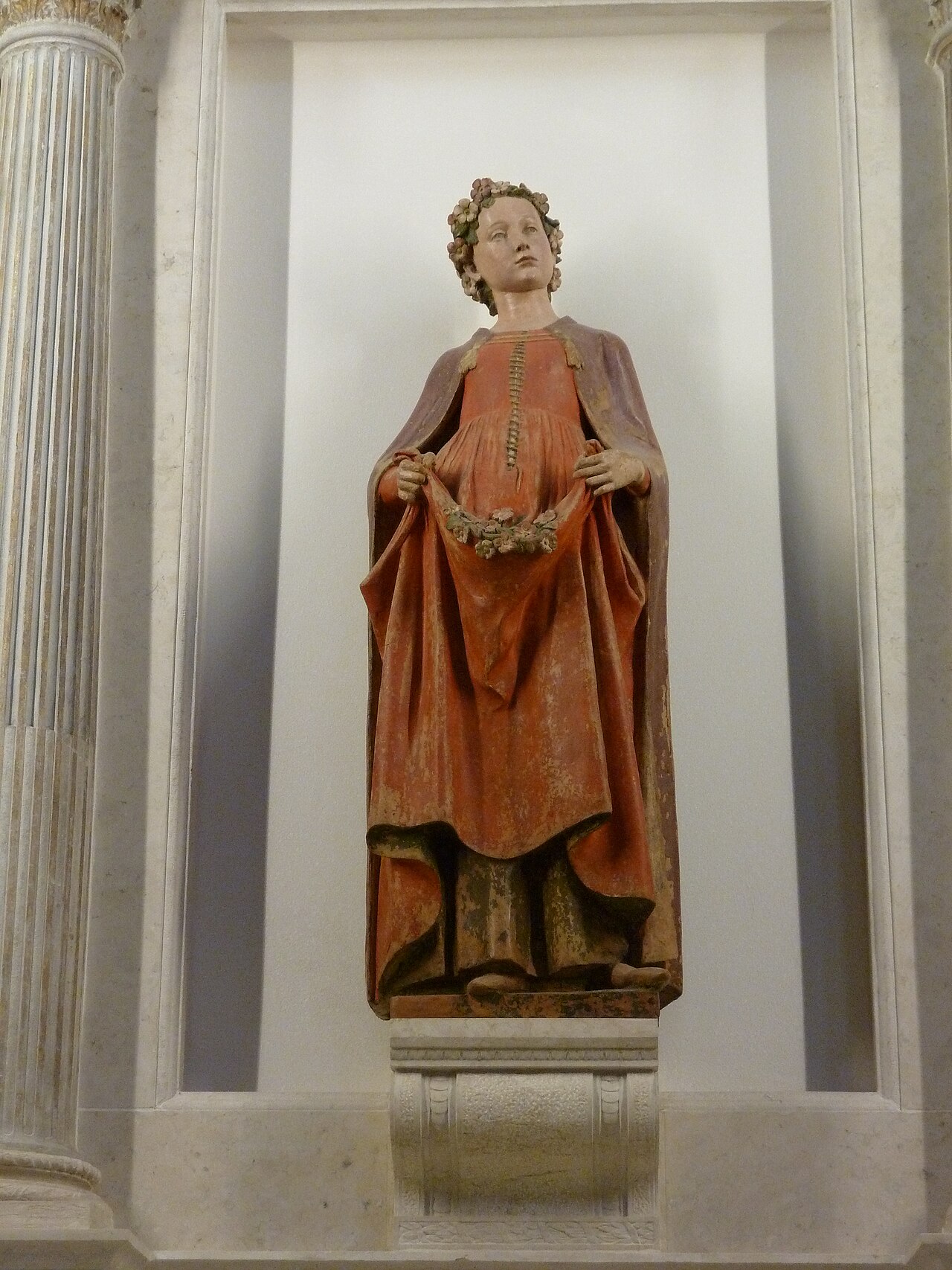
He is noted for inventing a technique of colorful, tin-glazed terracotta statuary, which he passed on to his nephew Andrea della Robbia and great-nephews Giovanni della Robbia and Girolamo della Robbia. Although a leading sculptor in stone, after developing his technique in the early 1440s he worked primarily in terracotta.
- field
- Sculpture
- nationality
- Italian (Florentine)
- known_for
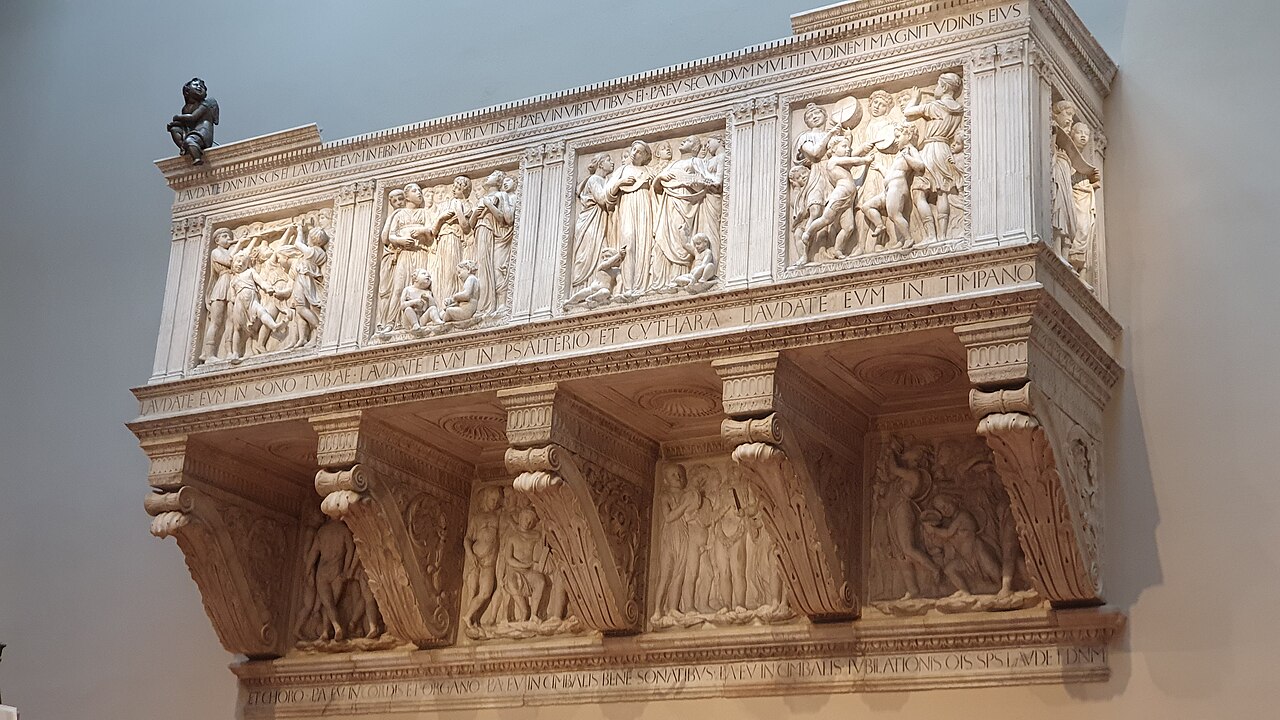
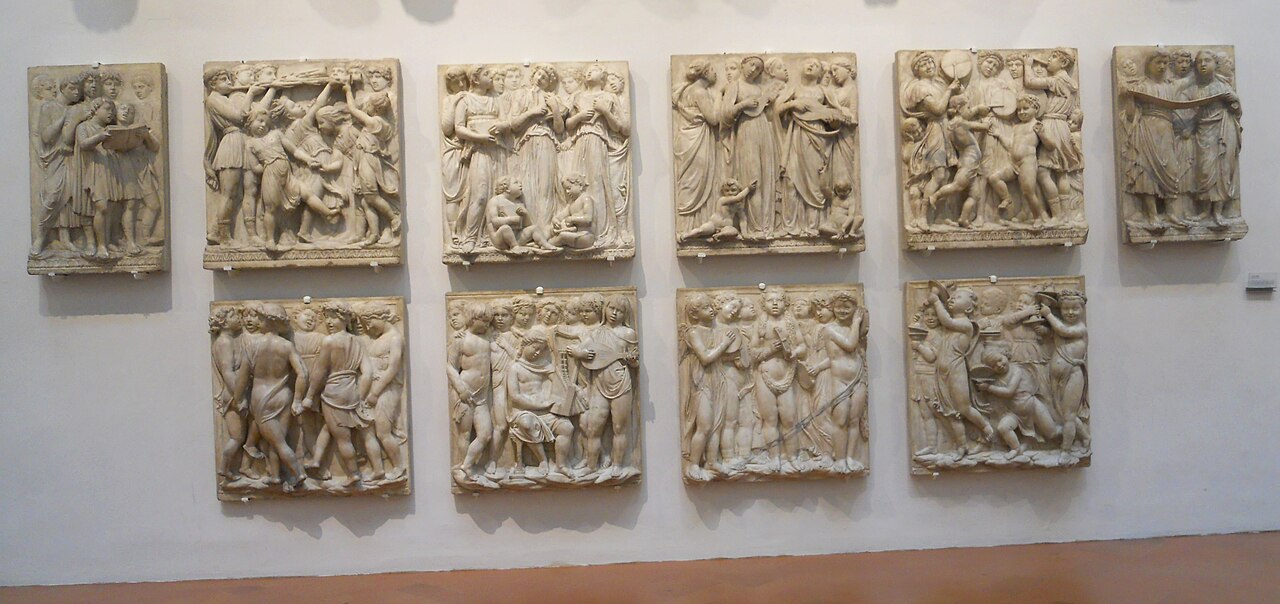
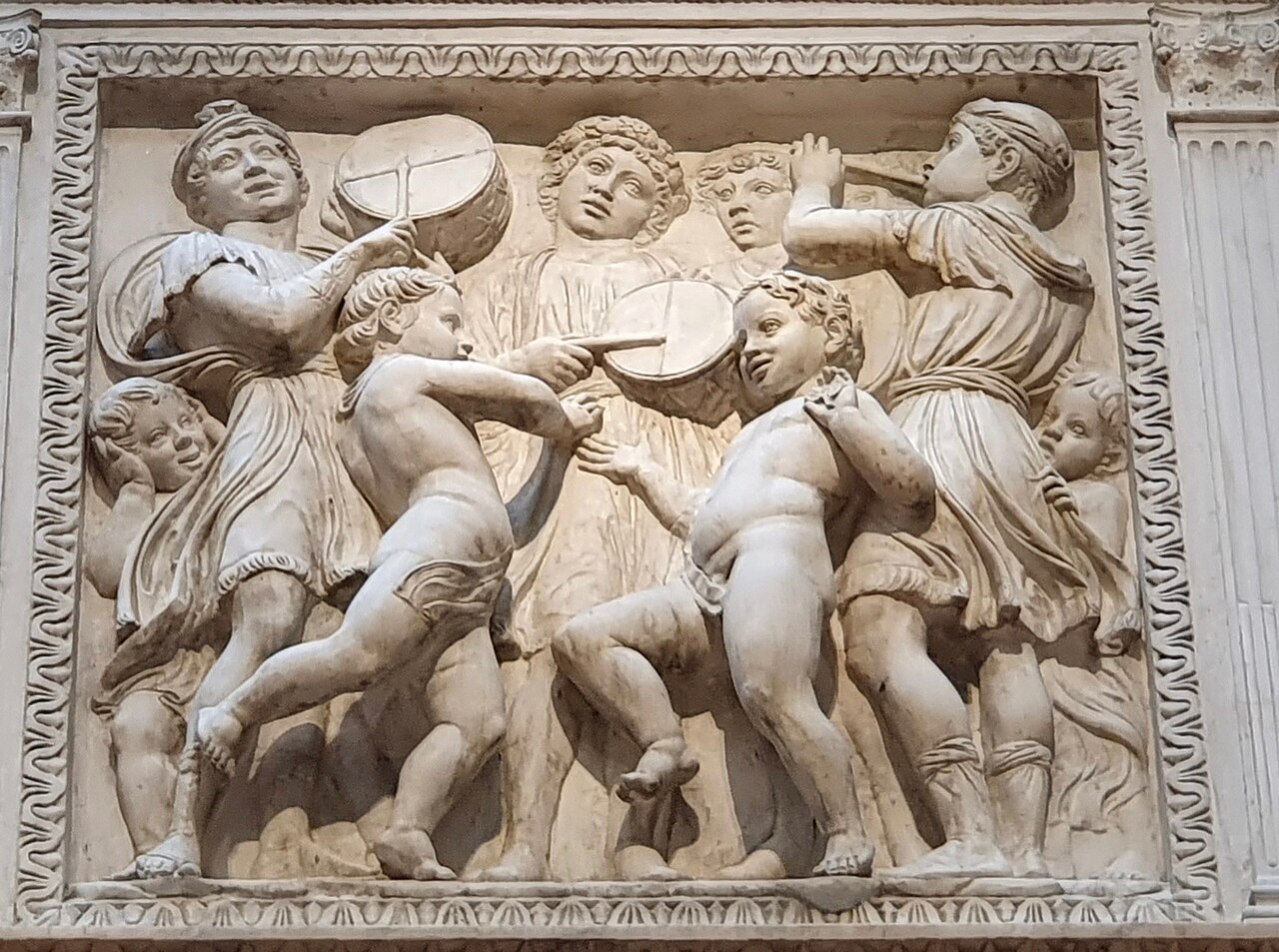
- Colorful tin-glazed terracotta statuary; Cantoria in Florence Cathedral
Lore & Background
Luca della Robbia was born in Florence, the son of a member of the Arte della Lana (wool-workers guild). Early writers give contradictory accounts of his youth, training, and early works. He may have trained as a goldsmith under Leonardo di Ser Giovanni according to Vasari, before working with Ghiberti on his first set of bronze doors for the Florence Baptistry. He was heavily influenced by Donatello, and in the 1420s was used by the architect Filippo Brunelleschi for sculptural decoration of his buildings. According to Vasari, the Medici family secured this commission for him.
Reader's Guide
Luca della Robbia's significance lies in his invention of colorful, tin-glazed terracotta statuary, a technique that made his creations both more expressive and more durable. His large workshop produced both less expensive works cast from molds in multiple versions and more expensive one-off individually modeled pieces. His work is noted for its charm rather than the drama of some contemporaries. He was praised by Leon Battista Alberti for genius comparable to Donatello, Lorenzo Ghiberti, Filippo Brunelleschi, and Masaccio. His works were highly popular in his time and many were sent outside Florence.
Did You Know?
- Luca della Robbia invented the technique of colorful, tin-glazed terracotta statuary.
- He was praised by Leon Battista Alberti for genius comparable to Donatello, Ghiberti, Brunelleschi, and Masaccio.
Gallery
Frequently Asked Questions
What made Luca della Robbia's terracotta technique special?
In the early 1440s he figured out how to fire clay with a tin-based glaze that locked in bright, lasting colors on three-dimensional figures. This let sculptors achieve a polychrome effect that stone and marble simply could not offer.
What is Luca della Robbia's most celebrated work?
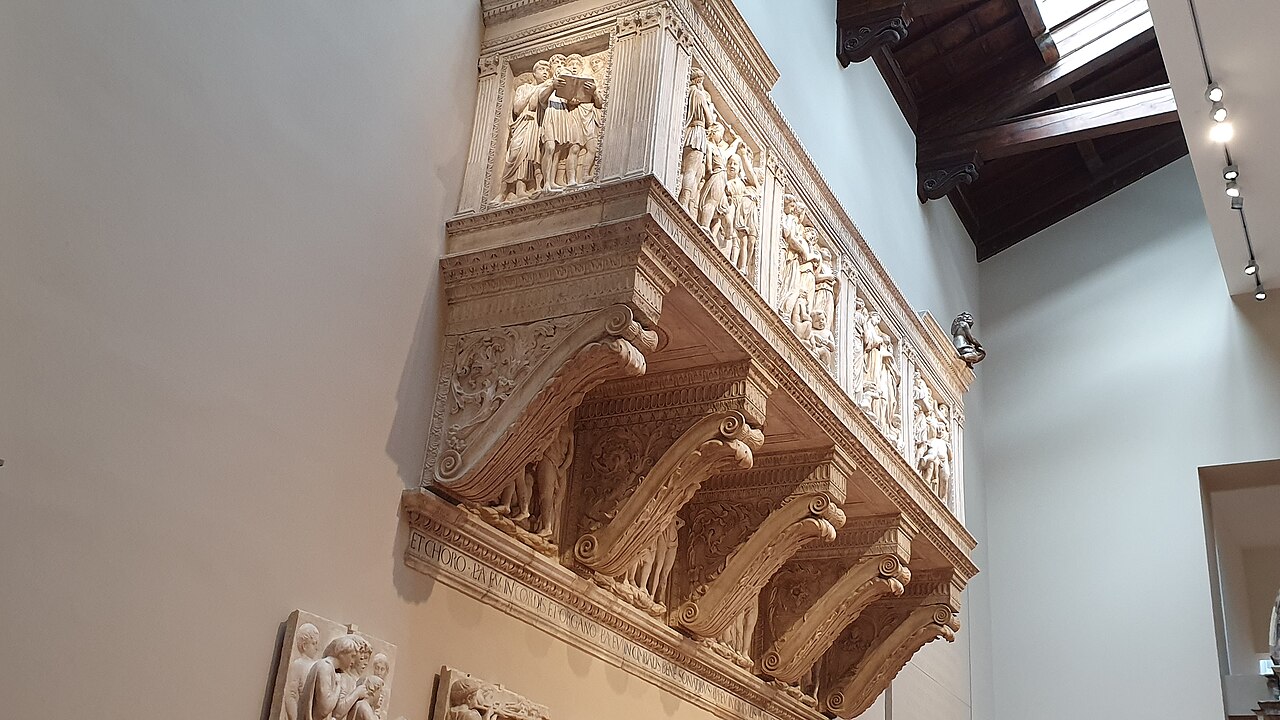
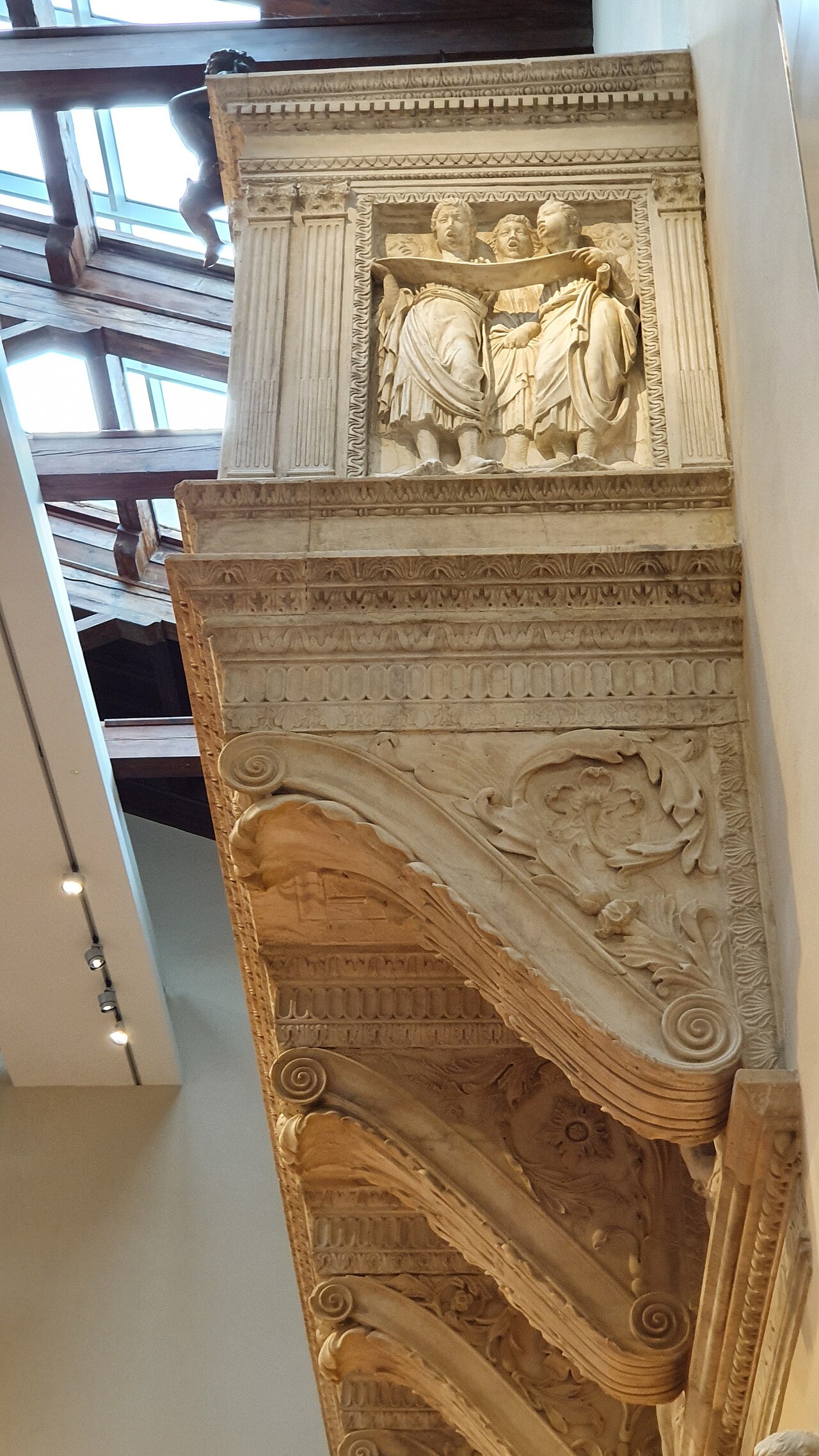
His Cantoria, the singing gallery in Florence Cathedral, is generally considered his masterwork in stone. It showcases his command of classical proportion and lifelike detail before he turned most of his energy toward terracotta.
How did the della Robbia family carry on his legacy?
He taught the glazed-terracotta method to his nephew Andrea, and the craft survived through his great-nephews Giovanni and Girolamo. The family name became practically synonymous with polychrome terracotta sculpture across Italy.
Why does Luca della Robbia matter to art history?
He fused Renaissance compositional principles with a brand-new polychrome medium, effectively opening a path for expressive, colorful sculpture that had no real precedent. His innovation shaped how Italian workshops approached decorative sculpture for generations after his death.
More in Renaissance And Baroque Masters 1-22
Spotted an error? Know more?
This is a living reference — every entry is fact-audited, and reader corrections feed straight into our audit queue. Suggest an edit · See this site's audit record