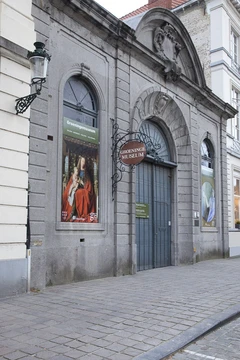
Rosalba Carriera
Italian Rococo painter who popularized pastel portraiture in Europe.

Rosalba Carriera · CC BY-SA 4.0
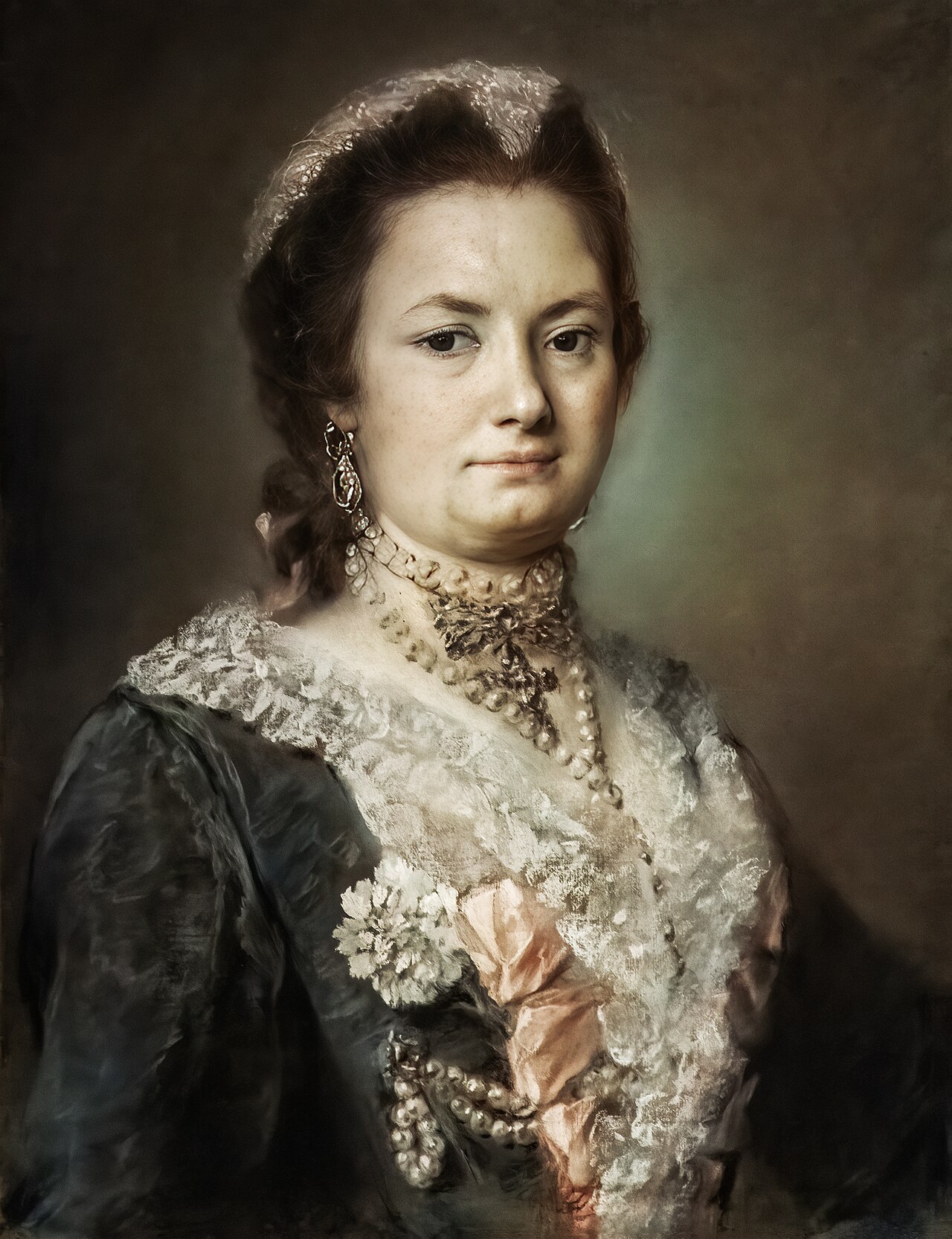
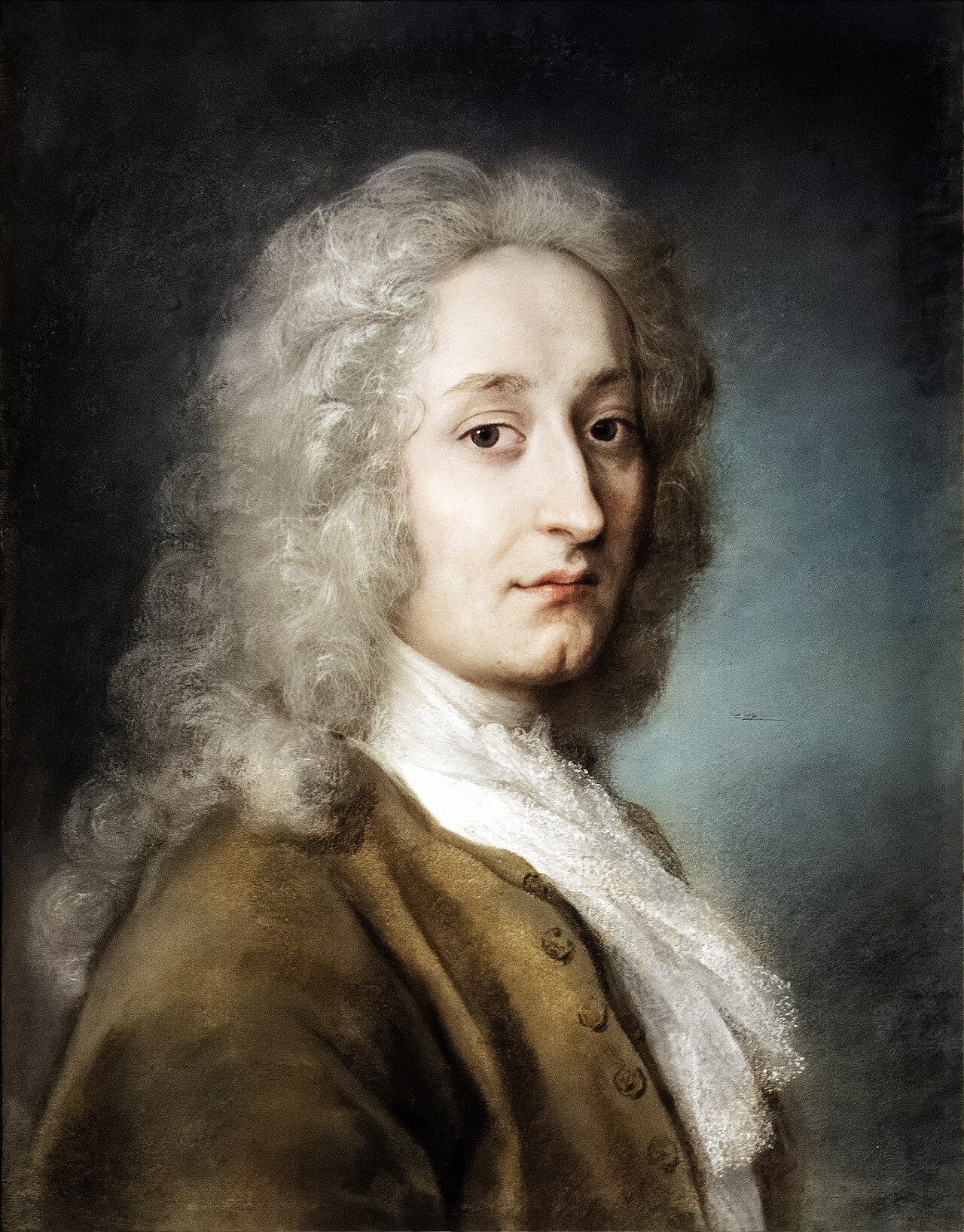
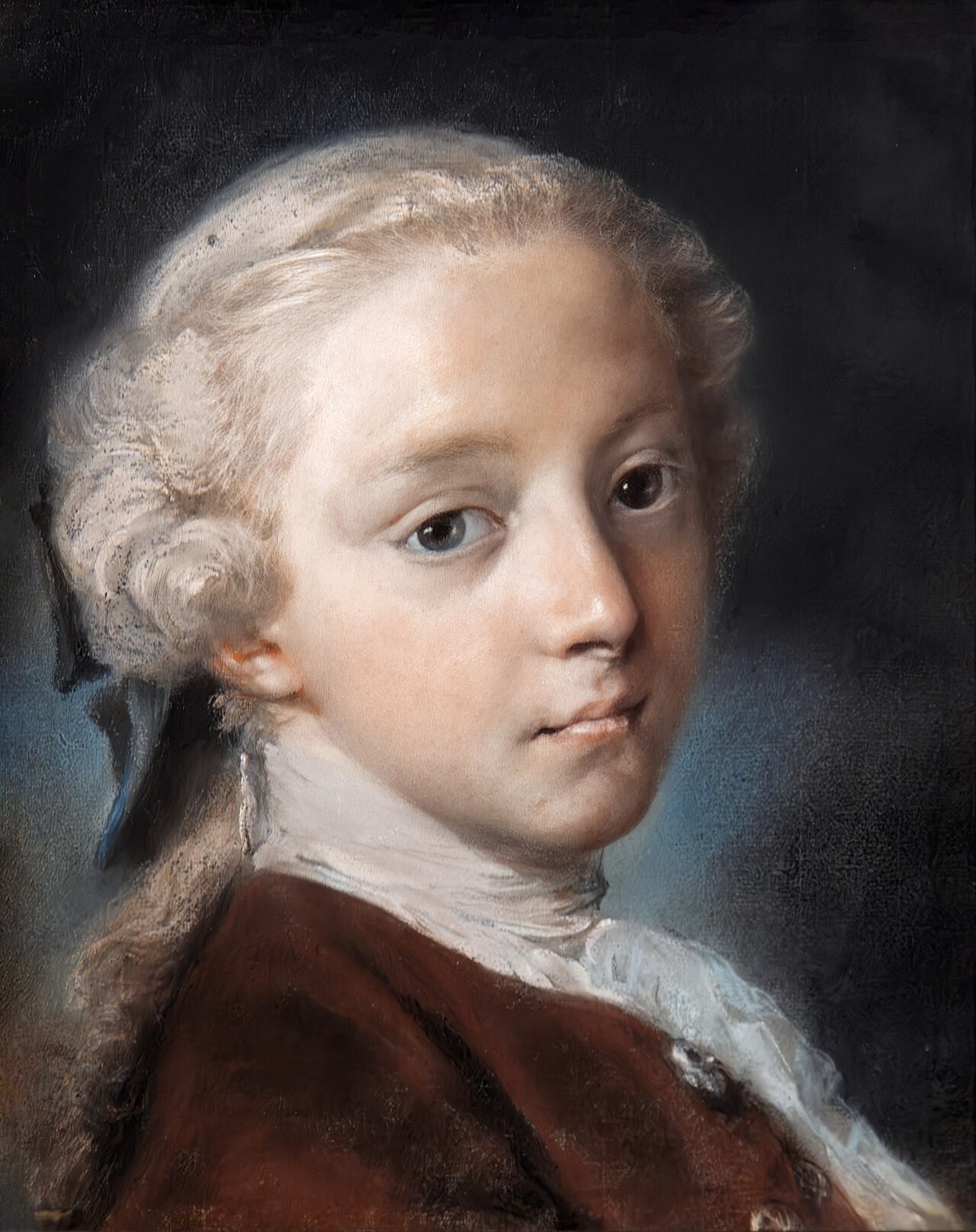
Rosalba Carriera (12 January 1673 – 15 April 1757) was an Italian Rococo painter. In her younger years, she specialized in portrait miniatures. Carriera would later become known for her pastel portraits, helping popularize the medium in eighteenth-century Europe. She is remembered as one of the most successful women artists of any era.
- born
- 12 January 1673
- died
- 15 April 1757
- field
- Painting
- nationality
- Italian
- known_for
- Pastel portraits, portrait miniatures, popularizing pastel as a serious medium
Lore & Background
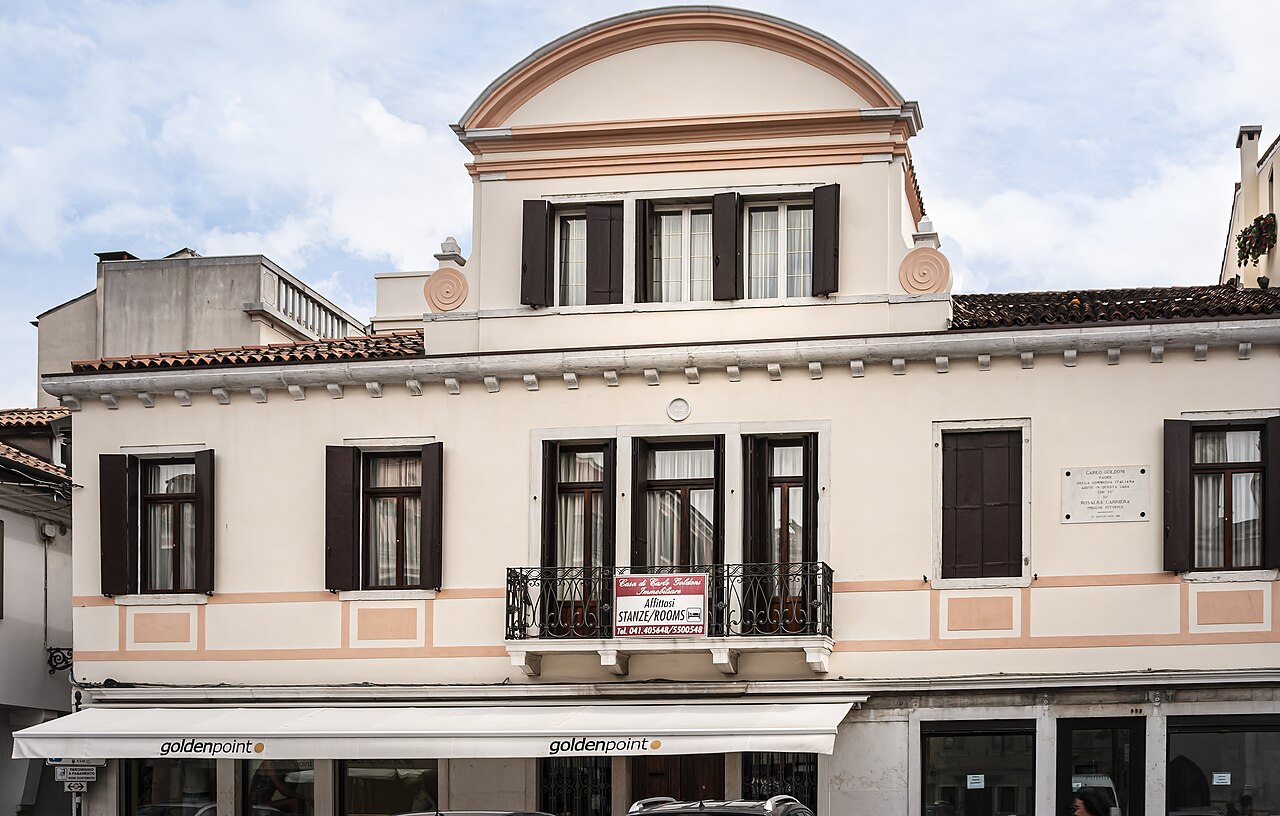
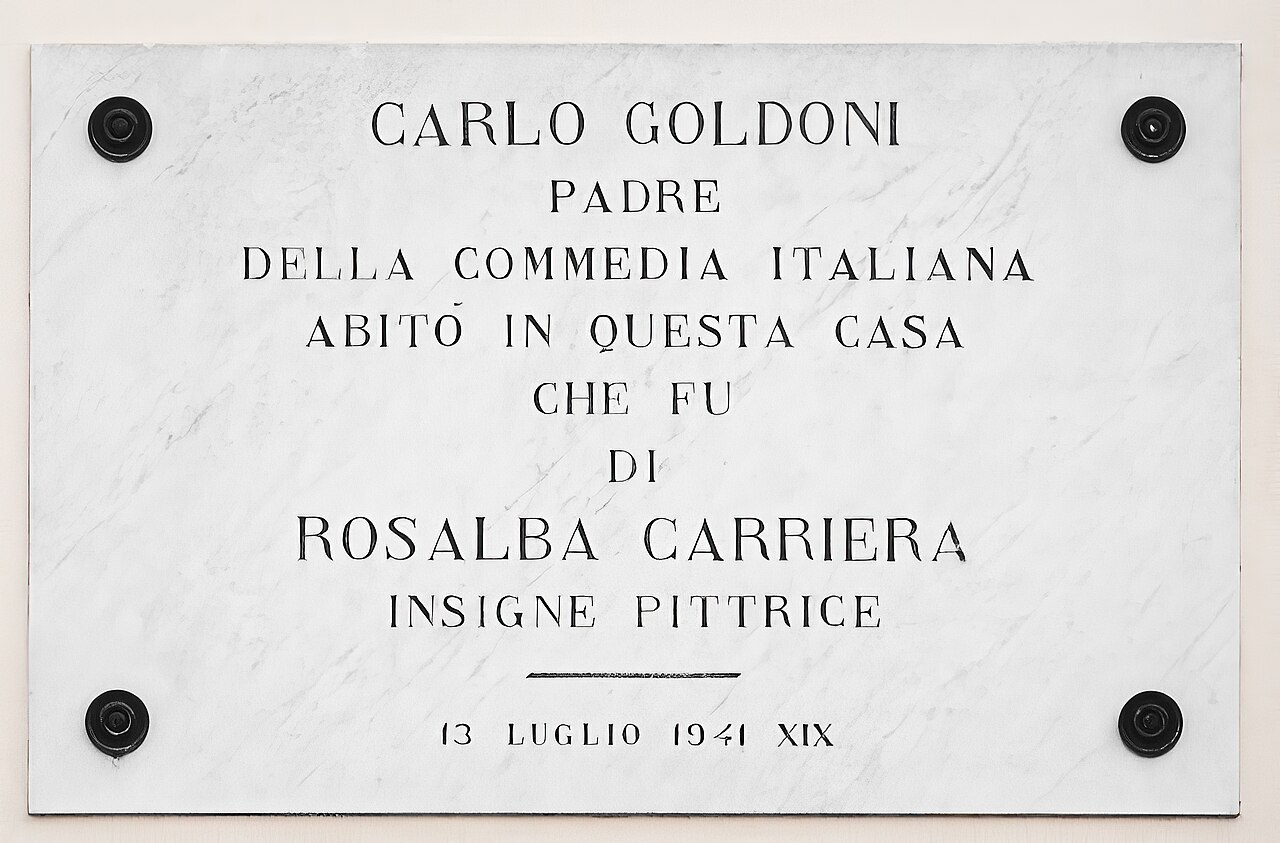
Carriera was born in Venice to Andrea Carriera, a lawyer, and Alba Foresti, an embroiderer and lacemaker. With her mother and sisters, she engaged in lace-making and other crafts. Her reasons for establishing her own studio as an artist remain unknown. An early biographer, Pierre-Jean Mariette, suggested that when the lace industry began to falter, Carriera had to find a new means of providing for herself and her family. The popularity of snuff-taking gave her an opportunity: she began painting miniatures for the lids of snuff-boxes and as independent objects. She was among the first painters to use ivory instead of vellum as a support for miniatures. Soon, she also began producing portraits in pastel. Prominent foreign visitors to Venice, such as diplomats and young sons of the nobility on their Grand Tour, sought out her work. The portraits of her early period include those of Maximilian II of Bavaria; Frederick IV of Denmark; the 'Artist and her Sister Naneta' (Uffizi); and Augustus the Strong, King of Poland and Elector of Saxony, who acquired a large collection of her pastels. By 1700, Carriera was already painting miniatures and by 1703 she had completed her first pastel portraits. In 1704, she was made an Accademico di merito by the Roman Accademia di San Luca, a title reserved for non-Roman painters. Between 1720 and 1721, Carriera worked in Paris, where her work was in great demand. While in Paris, Carriera was a guest of the great amateur and art collector, Pierre Crozat. She painted Watteau, all the royalty and nobility from the King and Regent downwards, and was elected a member of the Académie royale by acclamation. Her brother-in-law, the painter Antonio Pellegrini, married to her sister Angela, was also in Paris that year, and was employed by John Law, a Scottish financier and adventurer, to paint the ceiling of the Grande Salle in Law's new bank building, the Hotel de Nevers. Carriera's other sister, Giovanna, and her mother, accompanied her to France. Both sisters, particularly Giovanna, helped her in painting the hundreds of portraits she was asked to execute. Carriera's diary of these 18 months in Paris was later published by her devoted admirer, Antonio Zanetti, the Abbé Vianelli, in 1793. In 1730, Carriera made a long journey to the royal court in Vienna, Austria. While there, the Emperor Charles VI became her benefactor and fully committed to supporting her work, amassing a large collection of more than 150 of her pastels. In return, Carriera gave the Empress formal artistic training. The works Carriera executed there were later to form the basis of the large collection in the Alte Meister Gallery in Dresden. After her sister Giovanna's death in 1738, Carriera fell into a deep depression, which was not aided by the loss of her eyesight some years later (her eyes might have been damaged by painting miniatures in her youth). She underwent two unsuccessful cataract surgeries but ended up losing her eyesight completely. She outlived all her family, spending her last years in a small house in the Dorsoduro district of Venice, where she died at the age of 84.
Reader's Guide
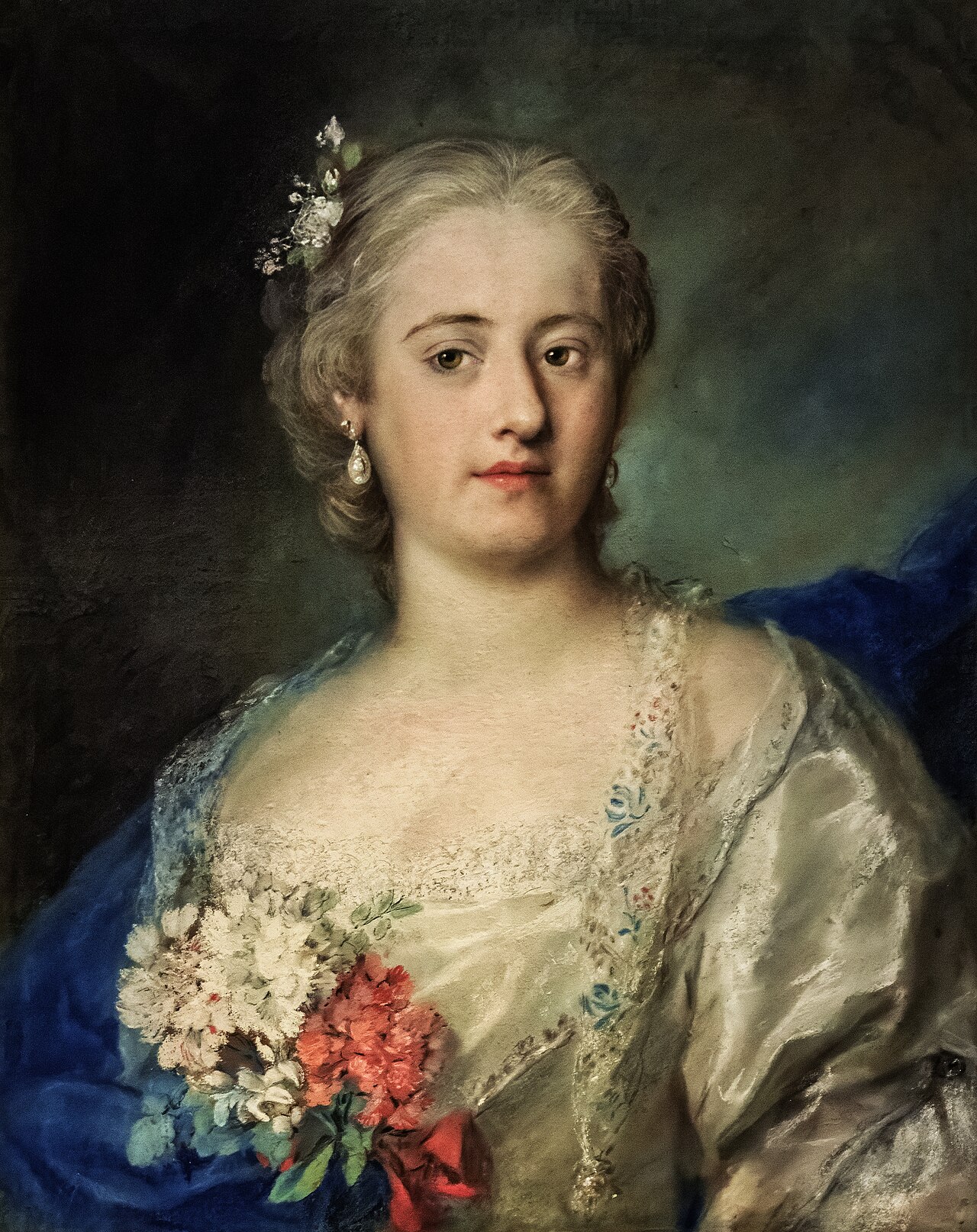
Carriera's influence spread widely. In 1720 she provided King Louis XV with a portrait that completed the transition from the previously accepted style of the court. She revolutionised the world of technology by binding coloured chalk into sticks, which led to the development of a much wider range of prepared colours, expanding the availability and usefulness of the pastel medium. Although negatively dubbed 'The Rococo' by Maurice Quai, a follower of the neoclassicist Jacques-Louis David, Carriera played an important role in popularising the style in France and later England, where King George III acquired a number of her works. Despite her renown and contribution to an established manner, Carriera is 'often treated as an exception, a rarity as a woman artist' and very often ignored. When the Rococo went out of fashion, Carriera's name and her impact was dismissed, and that had very much to do with gender as well. Sir Joshua Reynolds owned several of her pastels. Carriera was best known for her innovative approach to pastels, which had previously been used for informal drawings and preparatory sketches. She was also credited with pastel as a medium for serious portraiture that redefined the Rococo manner. Her best-known self-portrait is one she contributed to the Medici collection of self-portraits at the Uffizi Gallery in Florence. This piece was different because she veered away from idealizing herself, as was a custom of the era. Instead, she was brusque and honest in her representation, featuring a larger nose, thin lips and a deep dimple in her chin. She holds a portrait of her sister and assistant Giovanna, to whom she was very close. Her self-portrait work diverges from typical expectations of women artists of the time by aiming for an unvarnished appearance. One such example is Self-Portrait as an Old Woman (1746), whose mismatched eyes hint at the eye problems which plagued her in later life.
Did You Know?
- Carriera was among the first painters to use ivory instead of vellum as a support for miniatures.
- In 1704, she was made an Accademico di merito by the Roman Accademia di San Luca, a title reserved for non-Roman painters.
- While in Paris, she was elected a member of the Académie royale by acclamation.
- Emperor Charles VI amassed a collection of more than 150 of her pastels.
- In September 2025, a Cambridge auction house achieved a record sum of £508,000 for a 1724 portrait by Carriera of Huntingdonshire MP Coulson Fellowes.
Gallery
Frequently Asked Questions
Who is Rosalba Carriera?
She was an Italian painter active during the Rococo period, born in Venice in 1673 and working until her death in 1757. She is best remembered for elevating pastel portraiture to a respected art form across Europe.
What medium is Rosalba Carriera most associated with?
Although she began her career creating small portrait miniatures, she became the artist most closely linked to pastel work. Her skill and prolific output helped establish pastel as a legitimate medium for serious portraiture in the eighteenth century.
How did Rosalba Carriera's career evolve over time?
In her early years she focused on painting miniature portraits, but she gradually shifted toward larger pastel works. This transition allowed her to reach a wider audience and cement her reputation throughout Europe.
Why is Rosalba Carriera considered significant in art history?
She is widely regarded as one of the most commercially and critically successful female painters of any period. Her body of work demonstrated that pastel could rival oil and other traditional media in the field of portraiture.
When was Rosalba Carriera born and when did she die?
She was born on 12 January 1673 and passed away on 15 April 1757. Her long career spanned much of the late seventeenth century and the first half of the eighteenth.
More in Renaissance And Baroque Masters 1-22
Spotted an error? Know more?
This is a living reference — every entry is fact-audited, and reader corrections feed straight into our audit queue. Suggest an edit · See this site's audit record