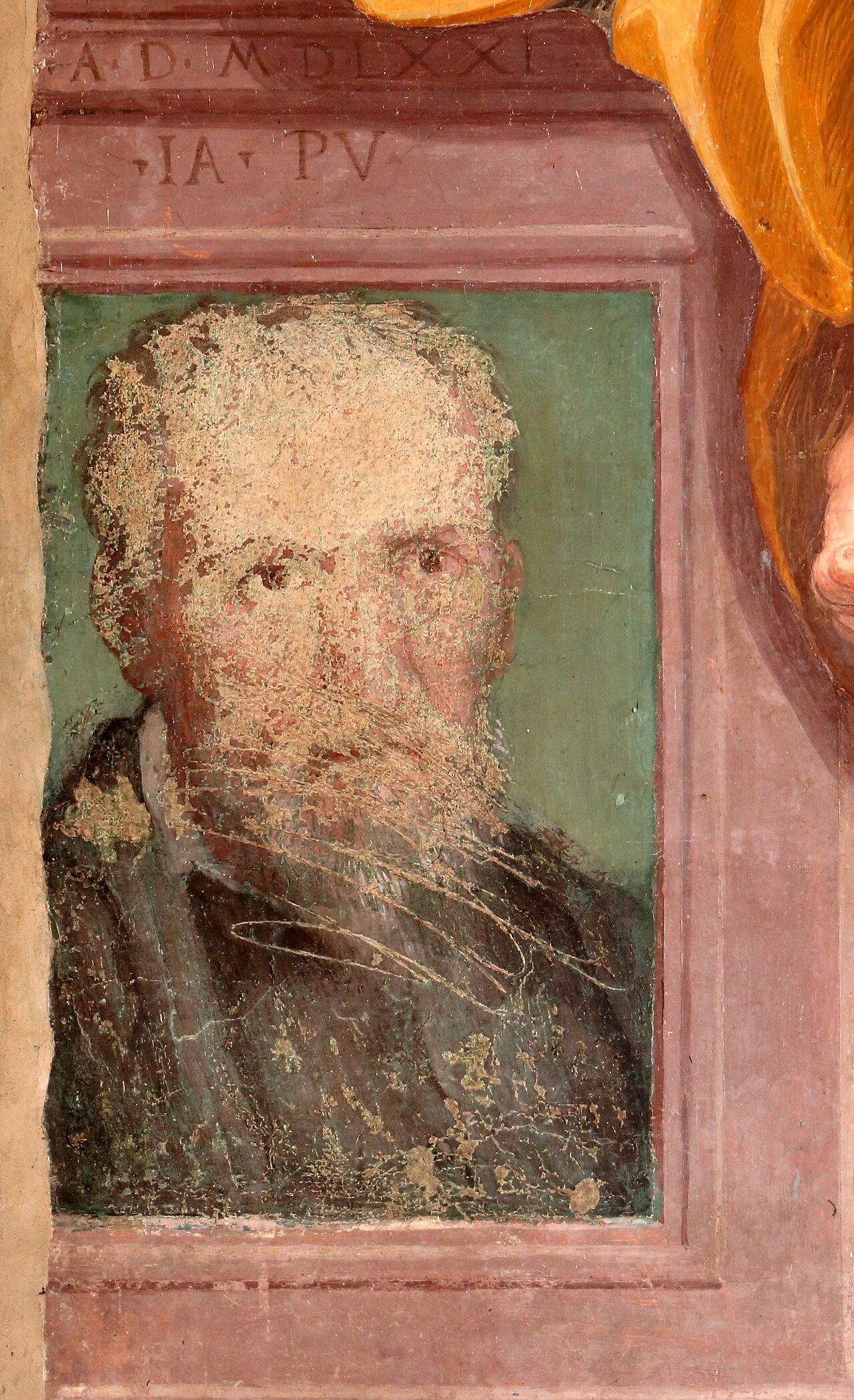
Pontormo
Italian Mannerist painter known for floating figures and ambiguous perspective.

Sailko · CC BY 3.0
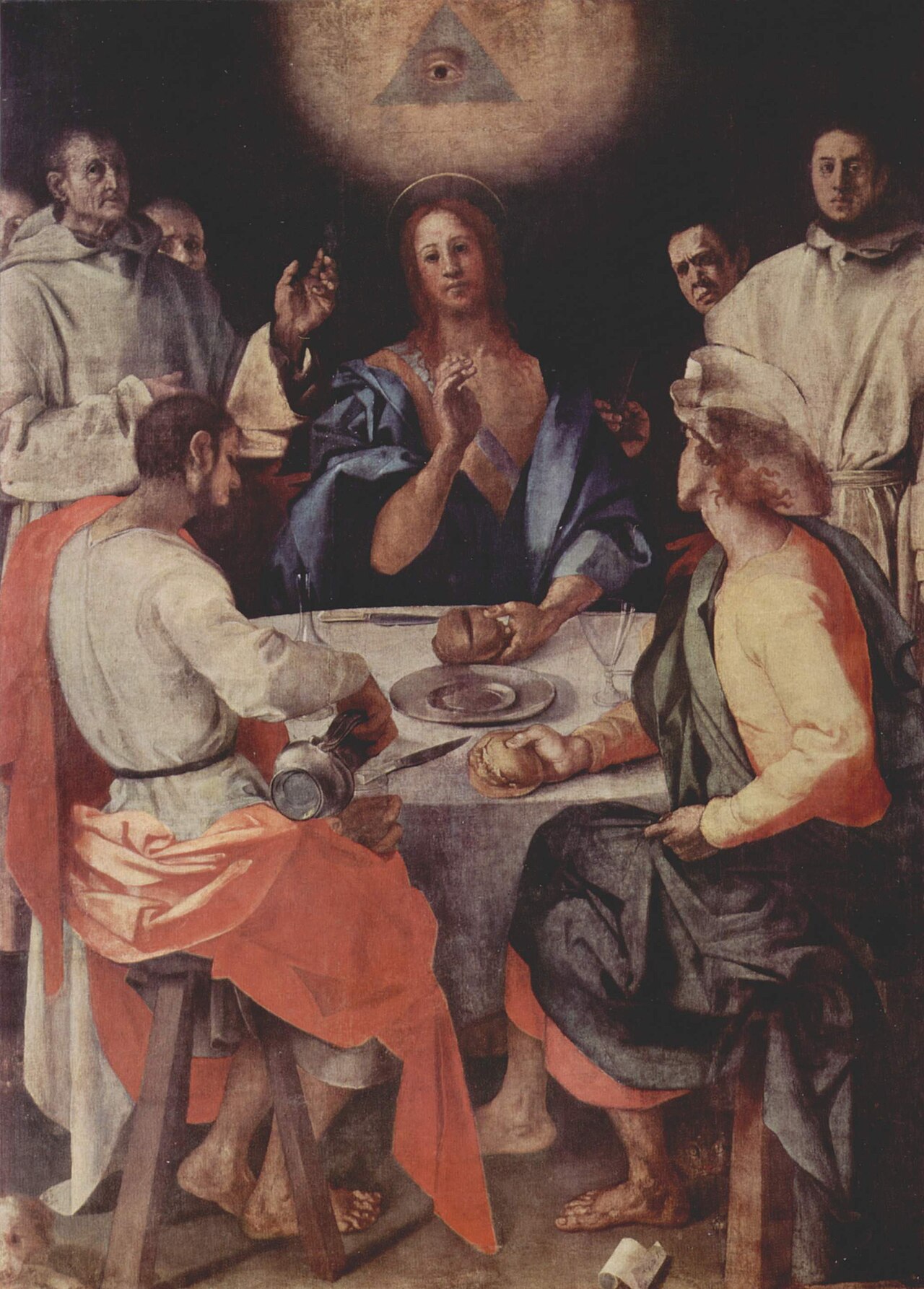
Jacopo Carucci or Carrucci, usually known as Jacopo (da) Pontormo or simply Pontormo, was an Italian Mannerist painter and portraitist from the Florentine School. His work represents a profound stylistic shift from the calm perspectival regularity that characterized the art of the Florentine Renaissance, and he is famous for his use of twining poses, coupled with ambiguous perspective, with figures that often seem to float in an uncertain environment, unhampered by gravity.
- field
- Painting, fresco, portraiture
- nationality
- Italian
Lore & Background
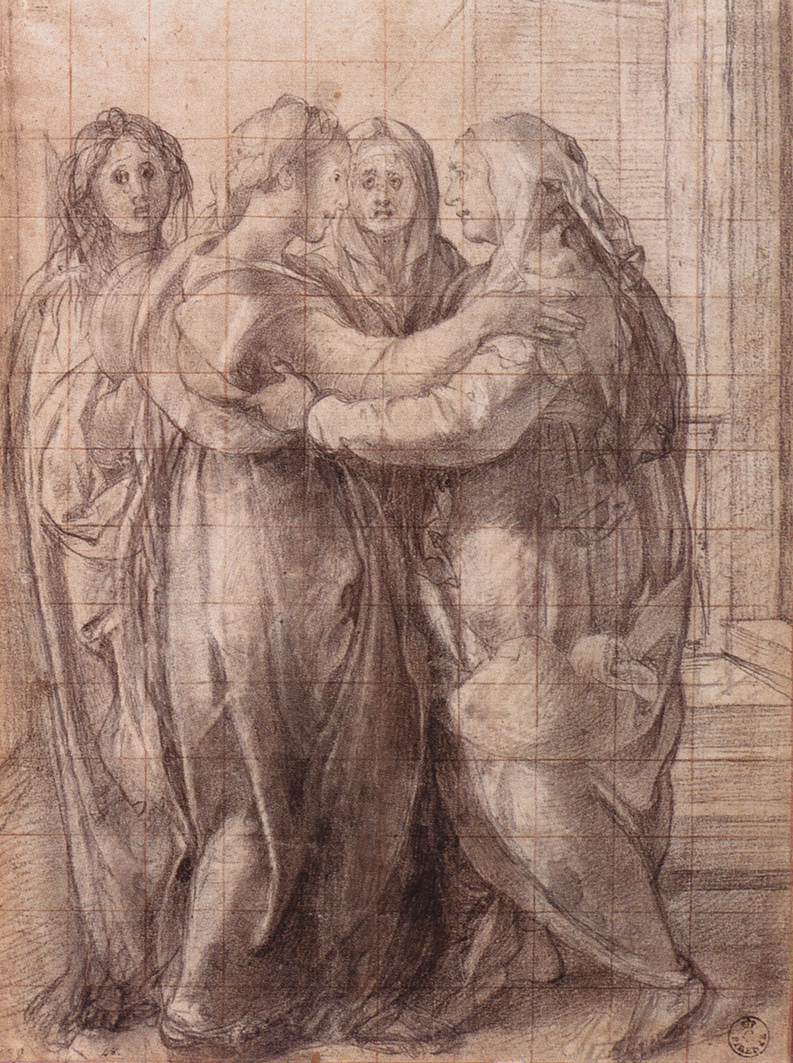
Jacopo Carucci was born at Pontorme, near Empoli, to Bartolomeo di Jacopo di Martino Carrucci and Alessandra di Pasquale di Zanobi. Vasari relates how the orphaned boy, 'young, solitary, and melancholy,' was shuttled around as a young apprentice. Pontormo painted in and around Florence, often supported by Medici patronage. A foray to Rome, largely to see Michelangelo's work, influenced his later style. Haunted faces and elongated bodies are characteristic of his work. This contrasts with his painting of the same subject done about a decade later, now in the parish church of St. Michael Archangel in Carmignano. In the later work, the viewer is brought almost uncomfortably close to the Virgin and St. Elizabeth, who drift toward each other in clouds of drapery, and the clear architectural setting has been abandoned for a peculiar nondescript urban setting. The figures, with sharply modelled forms and brilliant colours, are united in an enormously complex, swirling ovular composition, housed by a shallow, somewhat flattened space.
Reader's Guide
Pontormo's significance lies in his role as a leading figure of the Florentine Mannerist movement, breaking decisively from the High Renaissance ideals of balanced composition and perspectival clarity. Pontormo's influence extended through his chief pupil Agnolo Bronzino, with whom he collaborated on the roundels of the Capponi Chapel. Many of his works have been damaged or lost, including the unfinished frescoes for the choir of the Basilica of San Lorenzo, which consumed the last decade of his life and depicted a Last Judgment composed of an unsettling morass of writhing figures. His legacy endures in the haunting, elongated forms and emotional intensity that define Mannerist painting.
Did You Know?
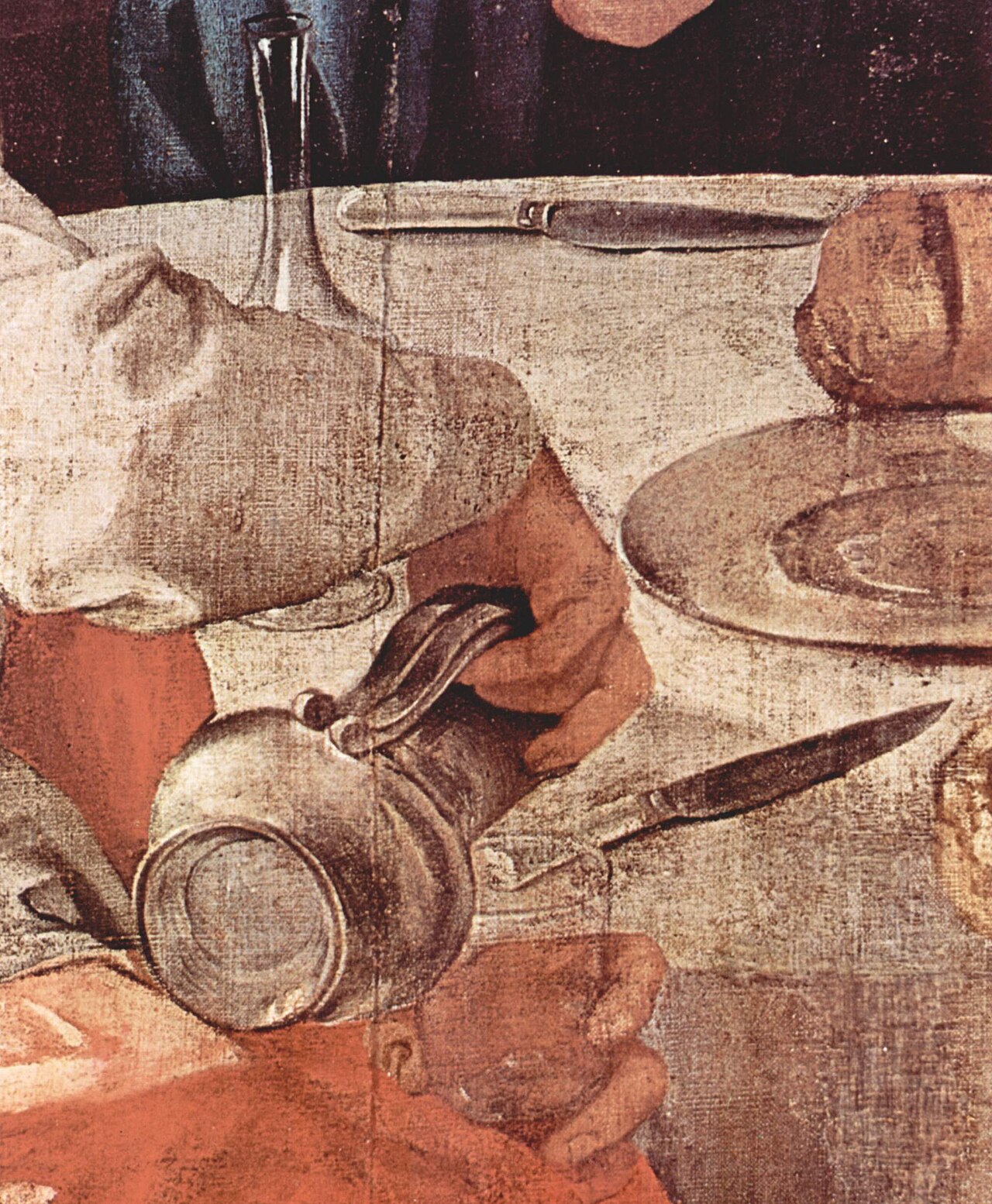
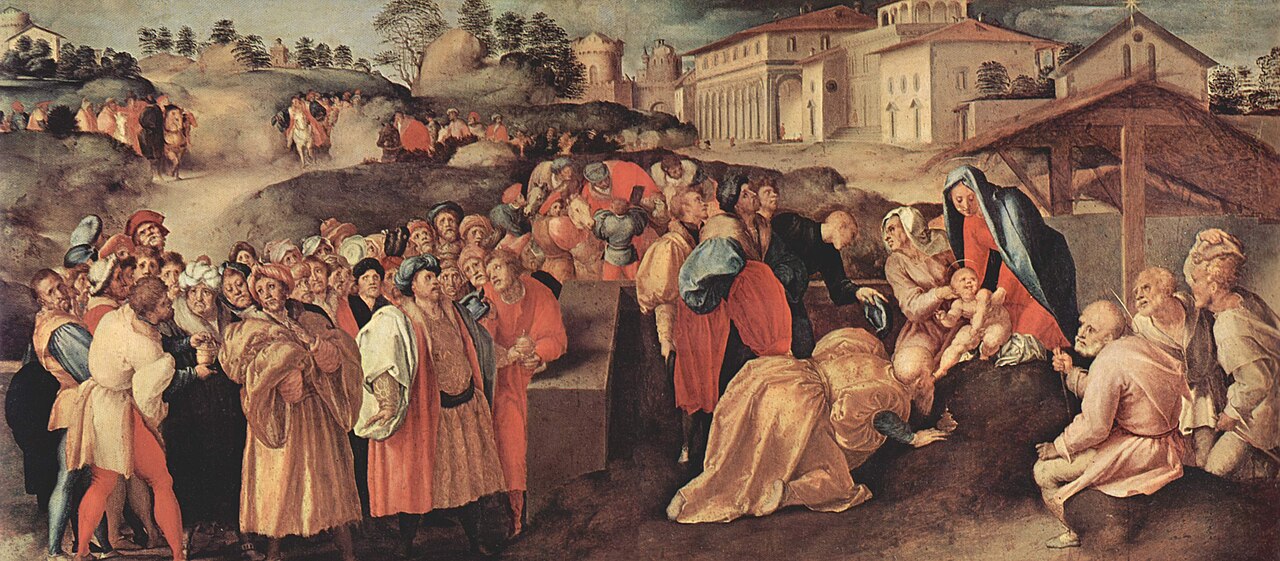
- According to Vasari, the sitter for the boy seated on a step in Pontormo's Joseph in Egypt is his young apprentice, Bronzino.
- Pontormo screened off the Capponi Chapel while painting the Deposition to prevent interfering opinions, according to Vasari.
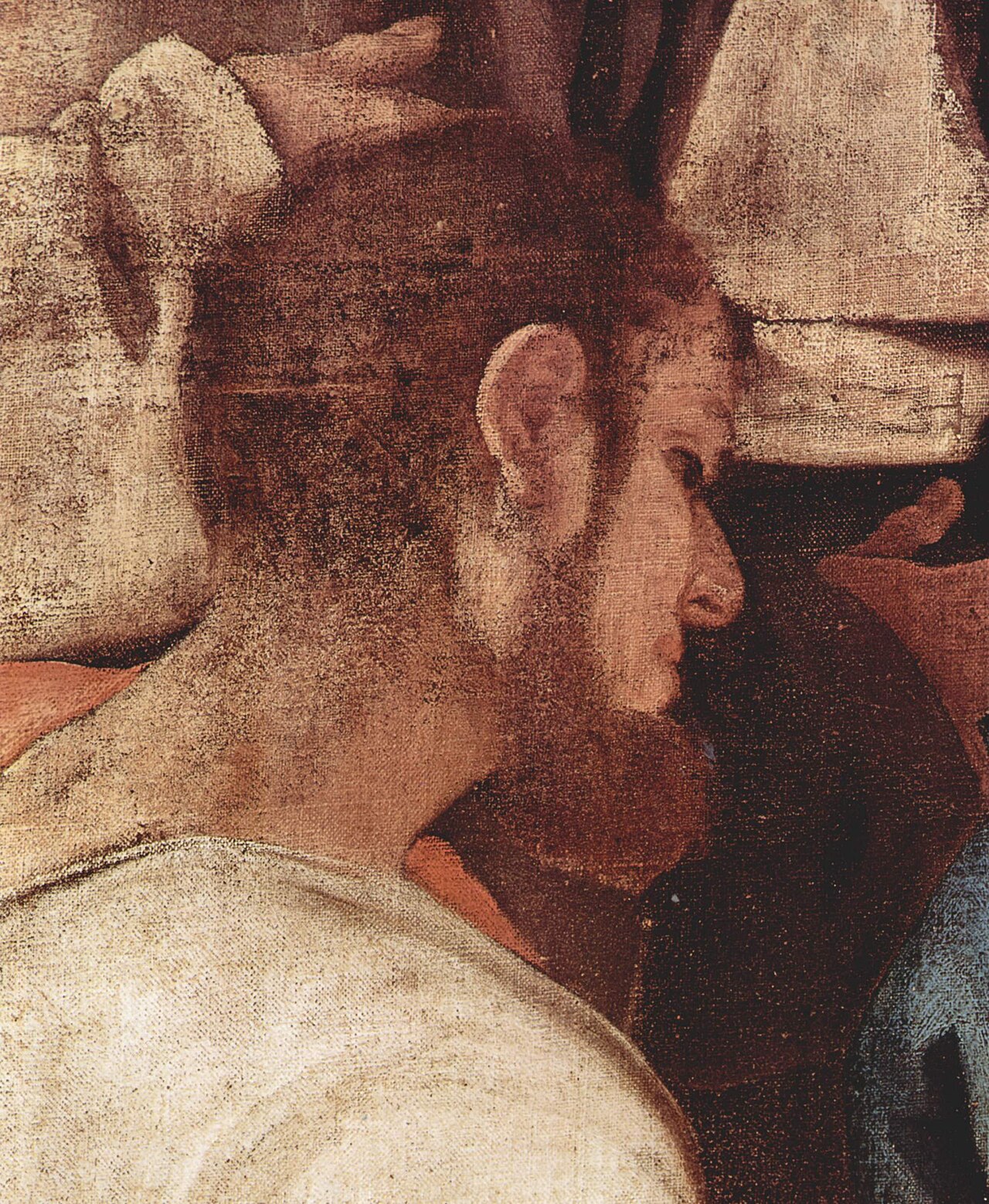
- The bearded figure at the far right of the Deposition is identified as Nicodemus, not Joseph of Arimathea, and the self-portrait speculation is not consistently associated with that figure.
Artistic Evolution & Stylistic Innovation
Pontormo's career is defined by a dramatic departure from the measured, perspectival order that had governed Florentine painting for decades. His early work, such as the Visitation fresco painted between 1514 and 1516, still reflects the stable compositions and classicizing architectural settings inherited from his teacher Andrea del Sarto. Figures occupy a comfortable distance from the viewer, grounded in a recognizable space. Yet by the time he painted a second Visitation roughly a decade later, now in the parish church of St. Michael Archangel in Carmignano, the transformation is startling. The Virgin and St. Elizabeth drift toward one another in billowing clouds of drapery, the viewer pressed uncomfortably close, the carefully constructed architecture replaced by a vague, nondescript urban backdrop. This trajectory toward twining poses, ambiguous perspective, and figures that seem to float unmoored from gravity became the hallmark of his mature Mannerist vision, setting him apart from the calm regularity of the High Renaissance.
The Deposition from the Cross
The large altarpiece for the Capponi Chapel in Santa Felicita, Florence, completed in 1528, stands as Pontormo's most celebrated surviving work. Its swirling, ovular composition unites sharply modeled figures in brilliant color within a shallow, flattened space. Yet the painting resists easy categorization: despite its common title, no cross appears in the scene, and no tomb is visible, muddying the Deposition and Entombment readings alike. The figures lowering Christ appear as anguished as the mourners, and the lower figure balances implausibly on his front two toes, barely seeming to touch the ground. The positions of Christ and the Virgin echo Michelangelo's Pietà in Rome, though here mother and son are separated. Most striking is the empty central plane, from which all biblical figures seem to fall back—a void some interpret as a physical manifestation of the Virgin's emotional emptiness. A bearded figure at the far right has been speculated to be a self-portrait as Joseph of Arimathea.
Apprenticeship & Formative Influences
Born Jacopo Carucci in 1494 at Pontorme near Empoli, the young painter was orphaned early and, as Vasari described him, young, solitary, and melancholy. He was shuttled through a succession of workshops: first to Leonardo da Vinci's studio in Florence, then to Mariotto Albertinelli, Piero di Cosimo, and finally, in 1512, to Andrea del Sarto, with whom his tenure was brief and apparently strained. His artistic vocabulary was further shaped by a trip to Rome, undertaken largely to study Michelangelo's work, and by the engravings of Albrecht Dürer, whose influence surfaces especially in the Passion frescoes he painted at the Certosa di Galluzzo during the 1522 plague. Throughout his career, Medici patronage provided steady support, and he painted in and around Florence, from the pastoral frescoes at the Medici villa at Poggio a Caiano to the altarpieces of the city's churches.
Legacy & Artistic Identity
Pontormo occupies a singular position in the history of Florentine painting as the artist who most decisively broke with the perspectival calm of the Renaissance. His figures—haunted, elongated, suspended in uncertain environments—announced a new visual language that would come to be called Mannerism. Even in relatively early works like the Joseph panels now in the National Gallery, London, his Mannerist leanings are evident, and Vasari noted that his young apprentice Bronzino served as the model for the boy seated on a step in one of them. His choice to paint the obscure classical myth of Vertumnus and Pomona in a pastoral genre at Poggio a Caiano was unusual for a Florentine painter of his era. By the time of his death on January 2, 1557, Pontormo had established a body of work in which gravity seemed optional, architecture was abandoned for atmosphere, and emotional intensity replaced compositional balance as the governing principle of the image.
Gallery
Frequently Asked Questions
What makes Pontormo's style stand out?
His figures twist and intertwine in poses that appear to float through an uncertain, gravity-defying space. Rather than the balanced, orderly perspective of High Renaissance painting, he deliberately introduced ambiguous spatial logic and a dreamlike instability that became a hallmark of Mannerism.
Why is Pontormo important in the broader art-historical narrative?
He marks a decisive stylistic rupture from the calm, mathematically regular perspective that had characterized earlier Florentine Renaissance painting. By pushing figures into ambiguous space and embracing emotional tension over classical balance, he helped shape the Mannerist idiom that later Baroque painters would build upon.
More in Renaissance And Baroque Masters 1-22
Spotted an error? Know more?
This is a living reference — every entry is fact-audited, and reader corrections feed straight into our audit queue. Suggest an edit · See this site's audit record