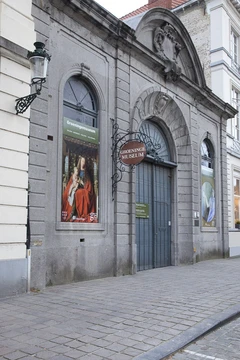
Plautilla Nelli
Self-taught nun-artist and first known female Renaissance painter of Florence.

Fabrizio Garrisi · CC0
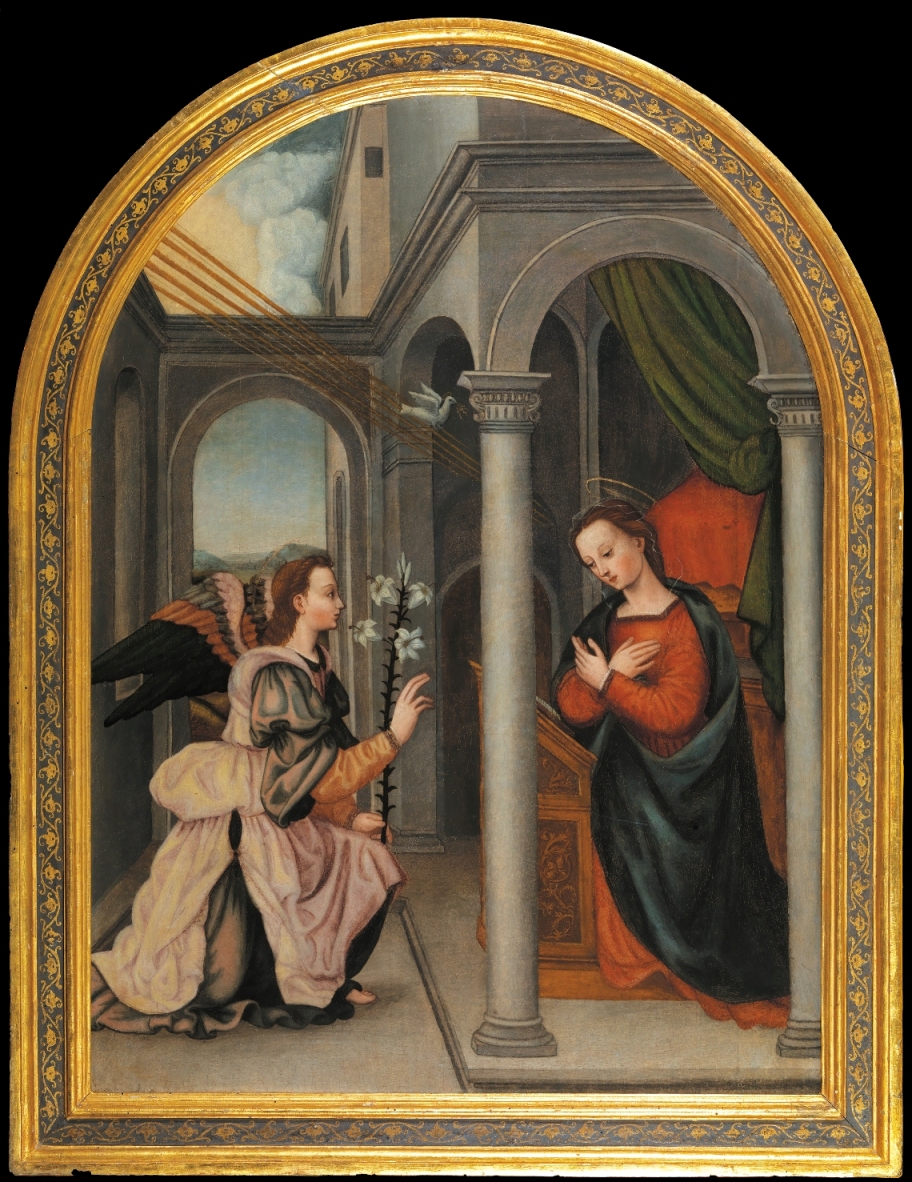
Plautilla Nelli (born Pulisena Margherita Nelli, 1524–1588) was a self-taught nun-artist and the first ever known female Renaissance painter of Florence. A Dominican nun at the convent of Santa Caterina di Cafaggio, she was heavily influenced by the teachings of Savonarola and by the artwork of Fra Bartolomeo. She is one of the few female artists mentioned in Giorgio Vasari's *Lives of the Most Excellent Painters, Sculptors, and Architects*. Her work is characterized by religious themes and vivid portrayals of emotion, and she signed her paintings with the phrase 'Pray for the Paintress' after her name.
- born
- 1524
- died
- 1588
- field
- Painting
- nationality
- Italian (Florentine)
- known_for
- First known female Renaissance painter of Florence; large-scale religious works;
Verified Timeline
Lore & Background
Pulisena Margherita Nelli was born into a wealthy family in the San Felice area of Florence. Her father, Piero di Luca Nelli, was a successful fabric merchant. She became a nun at the age of fourteen, taking on the name Suor Plautilla, at the convent of Santa Caterina di Cafaggio; she would later be prioress on three occasions. The facility was managed by the Dominican friars of San Marco, led by Savonarola. Savonarola's preachings promoted devotional painting and drawing by religious women to avoid sloth, thus the convent became a center for nun-artists. Her sister, also a nun, Costanza (Suor Petronilla), wrote a life of Savonarola. Sixteenth-century art historian Giorgio Vasari wrote, 'and in the houses of gentlemen throughout Florence, there are so many pictures, that it would be tedious to attempt to speak of them all.' Fra' Serafino Razzi named three nuns of Santa Caterina as disciples of Plautilla: Suor Prudenza Cambi, Suor Agata Trabalesi, and Suor Maria Ruggieri.
Reader's Guide
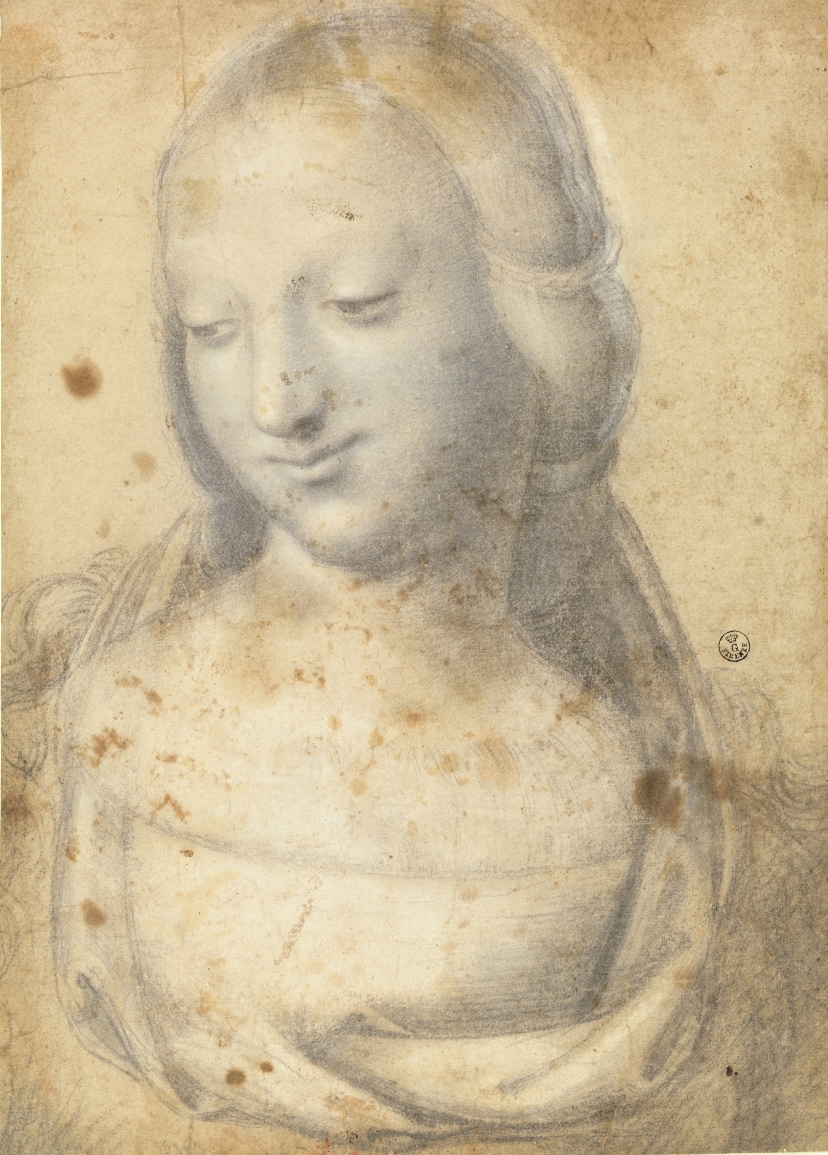
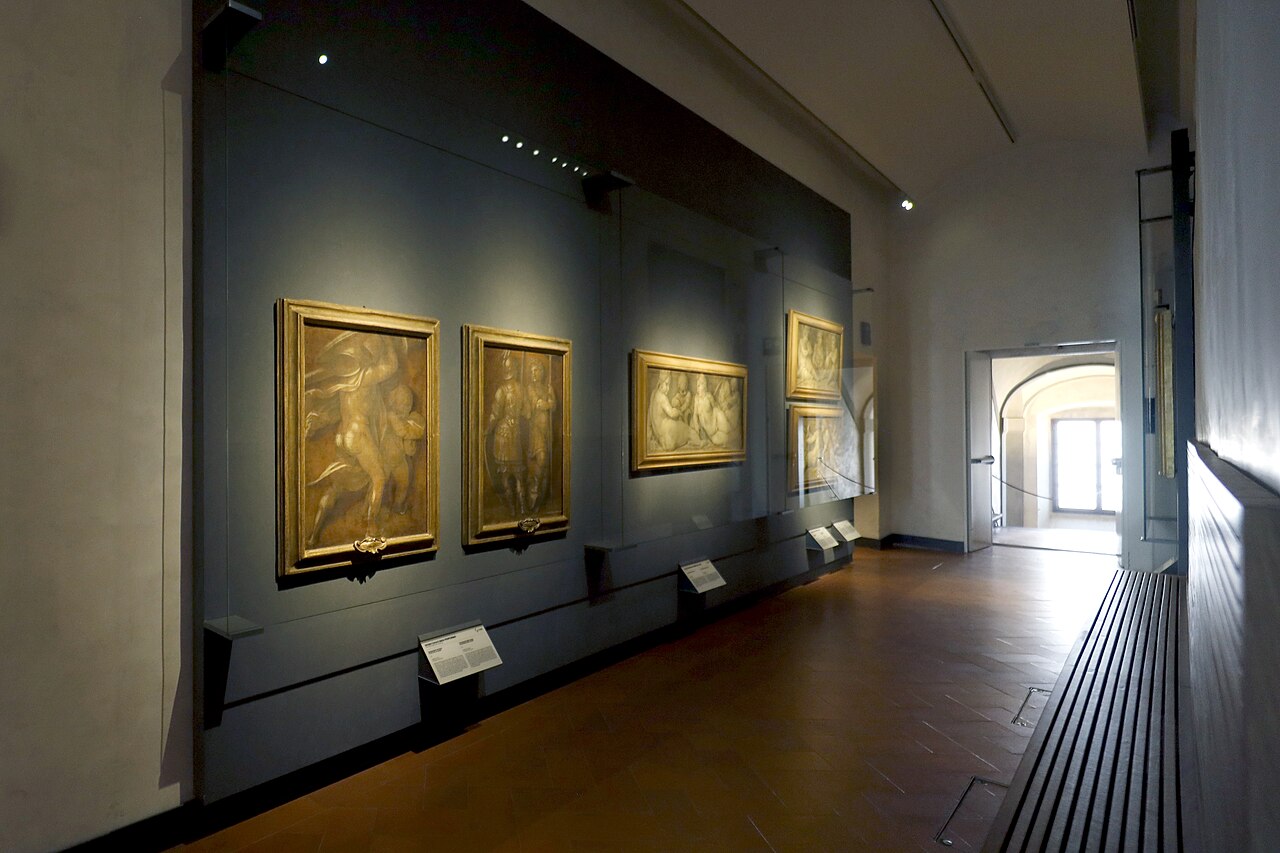
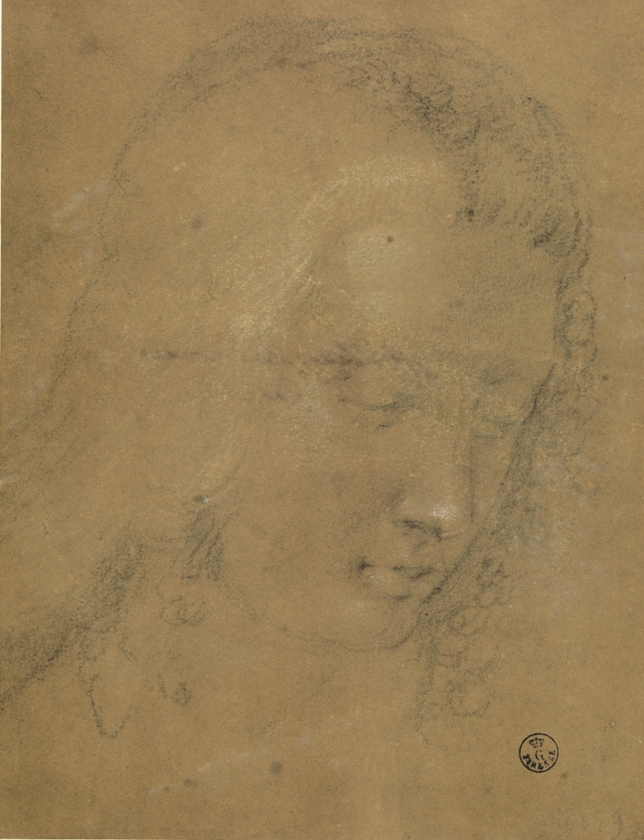
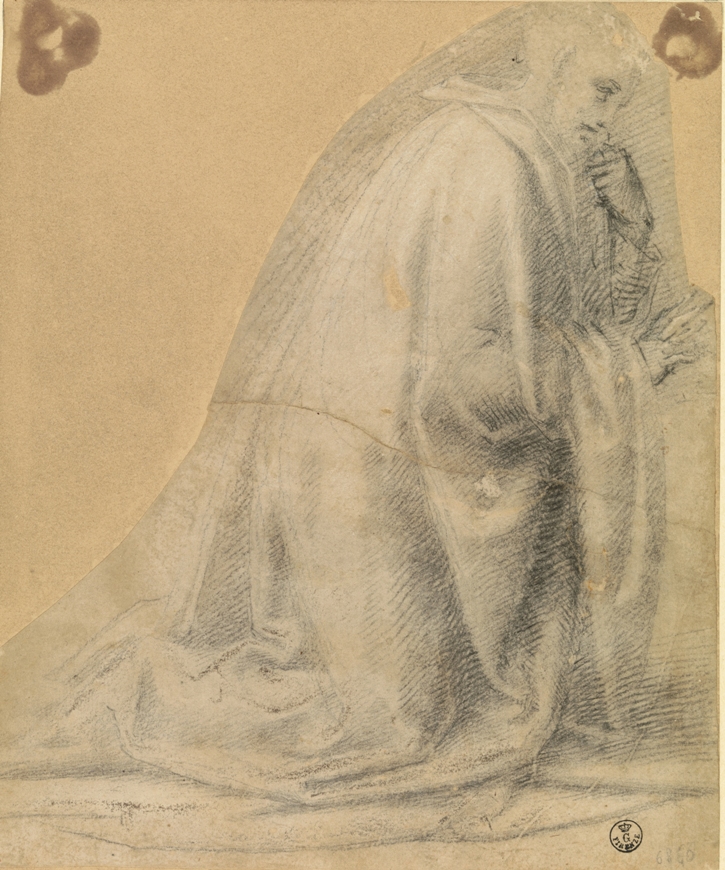
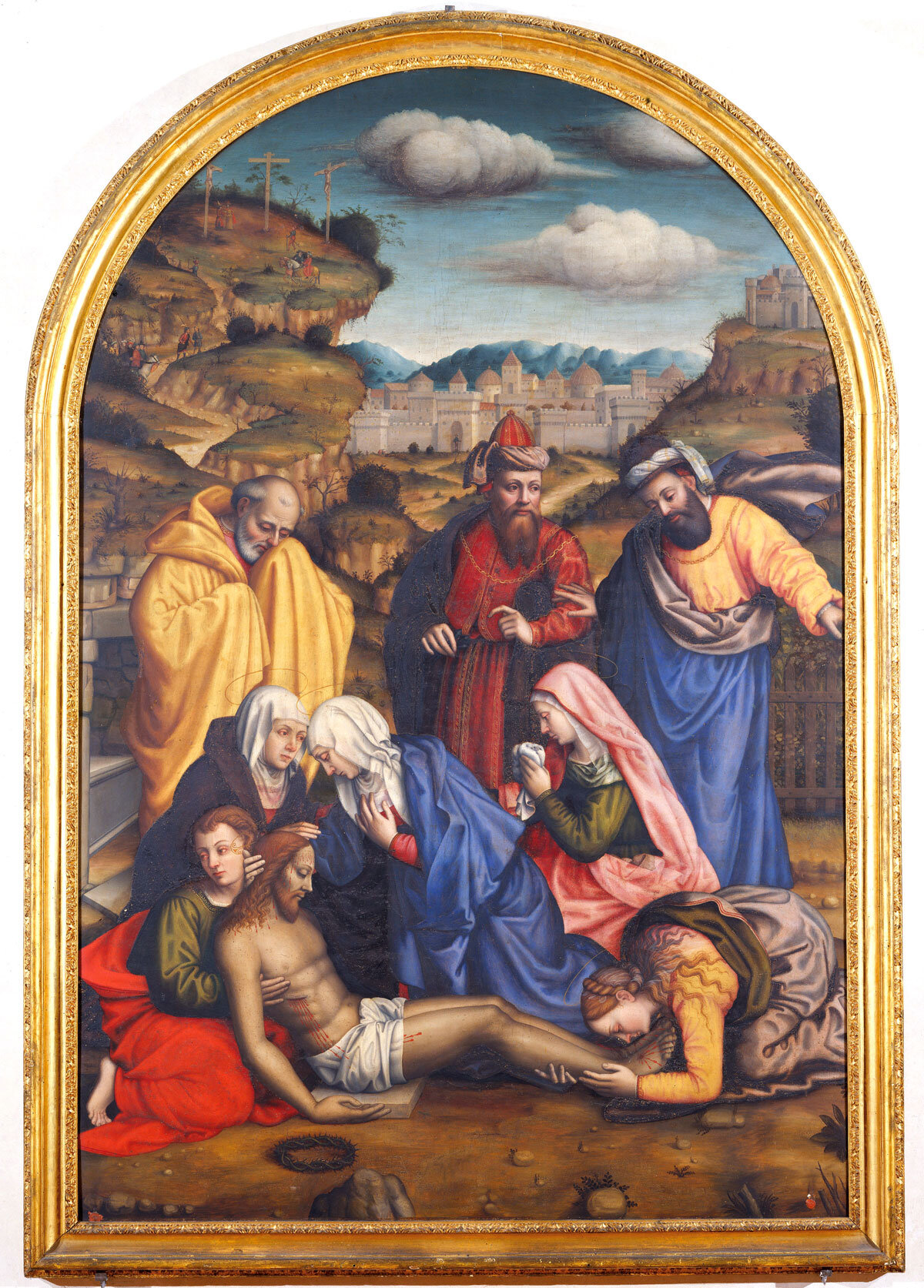
Though self-taught, Nelli copied works of the mannerist painter Agnolo Bronzino and high Renaissance painter Andrea del Sarto. Her primary source of inspiration came from copying works of Fra Bartolomeo, which mirrored the classicism-style enforced by Savonarola's artistic theories. Fra Bartolomeo left his drawings to his pupil, Fra Paolino, who in turn left them in the possession of 'a nun who paints' in the convent of Santa Caterina da Siena. Her work is distinguished from that of her influencers by the heightened sentiment she added to each of her characters' expressions. Author Jane Fortune referred to her *Lamentation with Saints* and the 'raw emotional grief surrounding Christ's death as depicted through the red eyes and visible tears of its female figures' as a case in point. Most of Nelli's works are large-scale, which was most uncommon for a woman to paint in her era. Her *Last Supper*, painted in the 1560s, is the earliest known depiction of the subject by a woman. It is a seven-meter-long oil painting on canvas. The work was under restoration for four years and went on exhibit in October 2019 at the Santa Maria Novella Museum in Florence. Her *Lamentation with Saints* was restored in 2006, and her nine drawings in the Uffizi's Department of Prints and Drawings were restored in 2007. A 2007 documentary, *The Restoration of Lamentation with Saints: Plautilla Nelli*, and a 2013 PBS television documentary, *Invisible Women, Forgotten Artists of Florence*, feature her life and the restoration of her works.
Did You Know?
- Nelli signed her paintings with the phrase 'Pray for the Paintress' after her name.
- Her *Last Supper* is the earliest known depiction of the subject by a woman, painted in the 1560s.
- She served as prioress of her convent on three occasions.
- Sixteenth-century art historian Giorgio Vasari wrote that her paintings were so numerous in Florence that 'it would be tedious to attempt to speak of them all.'
- Her *Lamentation with Saints* was restored in 2006, and a 36-minute documentary was produced about the restoration.
Gallery
Frequently Asked Questions
Who is Plautilla Nelli?
Plautilla Nelli, born Pulisena Margherita Nelli in 1524, was a Florentine Dominican nun who became the first documented female painter working in the Renaissance style in Florence. She lived and worked at the convent of Santa Caterina di Cafaggio until her death in 1588.
What is Plautilla Nelli most famous for?
She is best known for producing large-scale religious paintings and for creating what is recognized as the earliest known Last Supper composition painted by a woman. Her work stands out in an era when women were largely excluded from formal artistic training and guilds.
How did Plautilla Nelli learn to paint?
Nelli was entirely self-taught, drawing inspiration from the devotional teachings of Girolamo Savonarola and the visual style of Fra Bartolomeo. She never attended an academy or worked in a master's workshop, which was the standard path for Florentine painters of her era.
Why is Plautilla Nelli significant in art history?
She broke the near-total absence of women in the Florentine Renaissance painting tradition, making her one of the very few female artists acknowledged in Giorgio Vasari's landmark biographical text. Her surviving large canvases offer rare evidence of a woman's artistic output during the sixteenth century.
Did Plautilla Nelli paint a Last Supper?
Yes, she produced a Last Supper panel that is currently the earliest known example of that subject created by a female artist. The work reflects her deep Dominican devotion and her familiarity with the compositions of her Florentine contemporaries.
More in Renaissance And Baroque Masters 1-22
Spotted an error? Know more?
This is a living reference — every entry is fact-audited, and reader corrections feed straight into our audit queue. Suggest an edit · See this site's audit record