Rachel Ruysch
Dutch still-life painter known for dynamic floral compositions.

Rachel Ruysch · Public domain
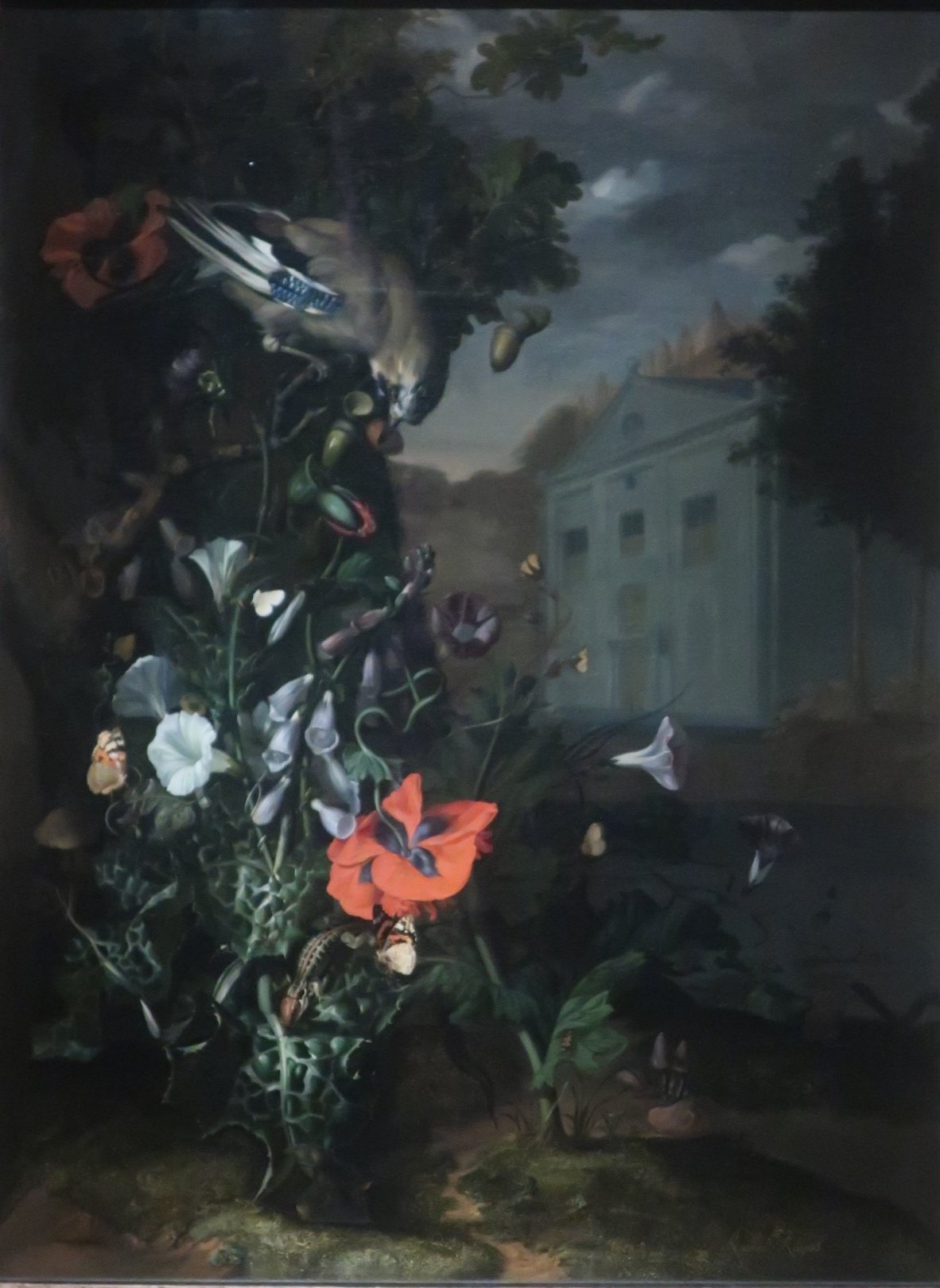
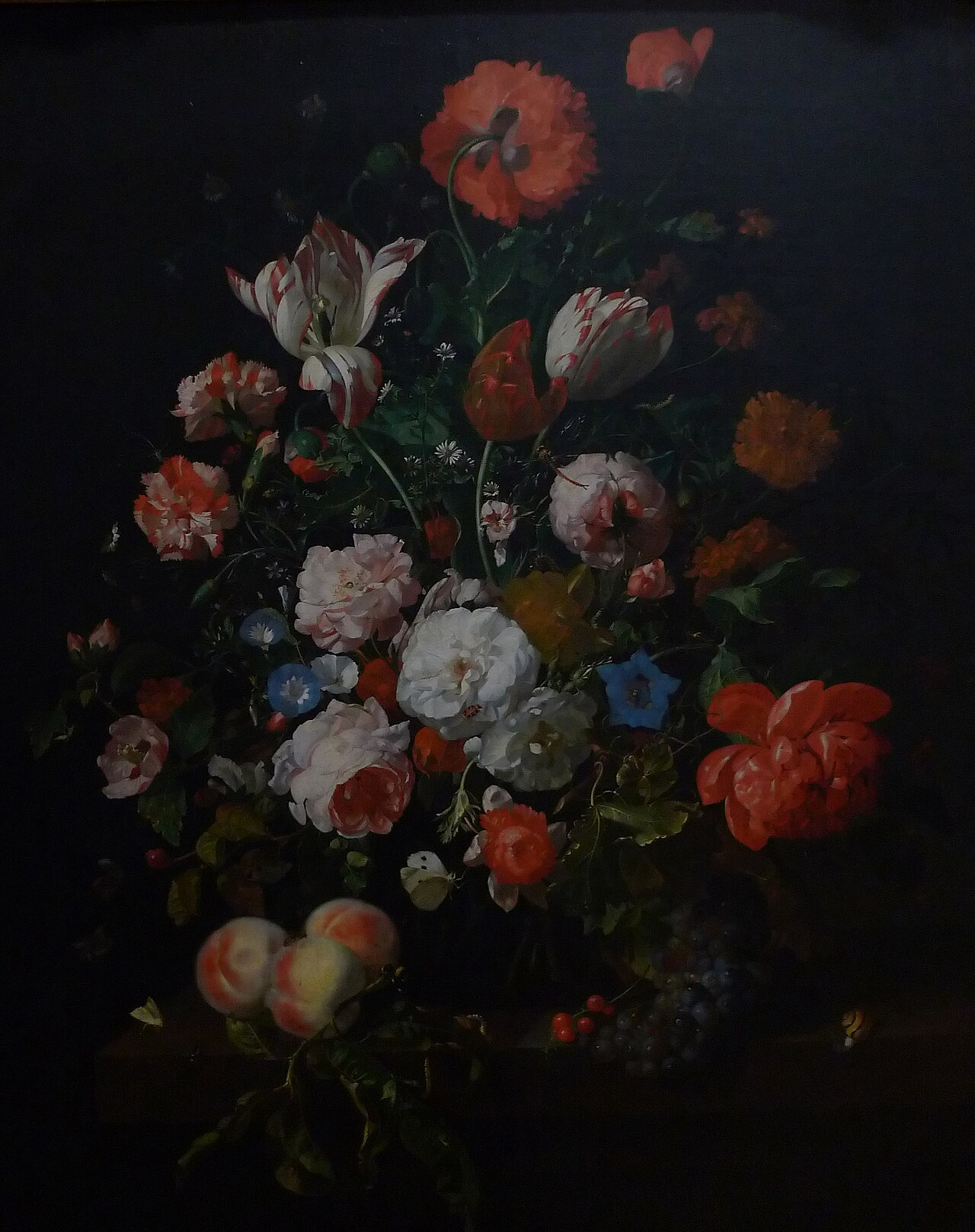
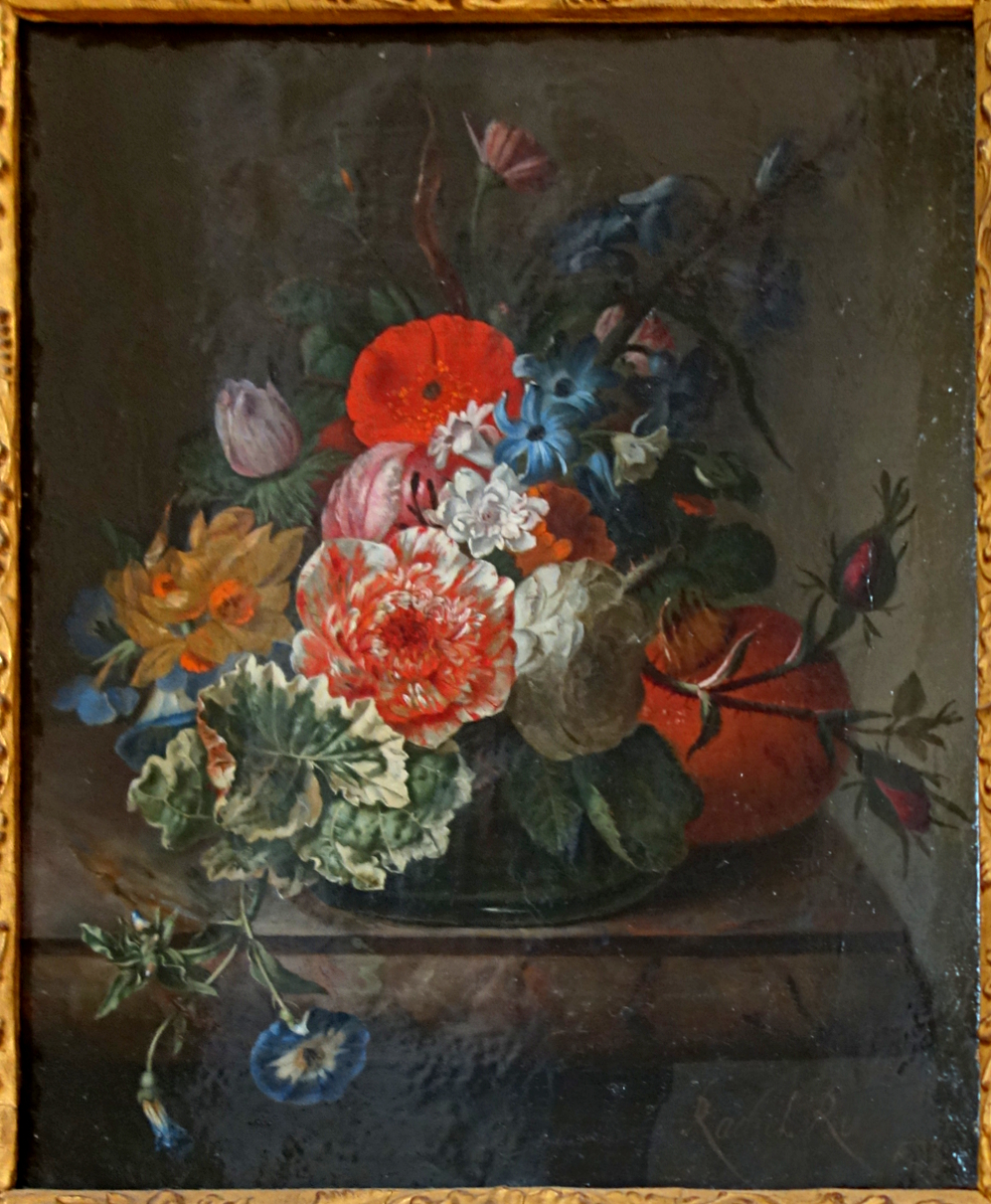
Rachel Ruysch (3 June 1664 – 12 October 1750) was a Dutch still-life painter from the Dutch Republic. She specialized in flowers, inventing her own style and achieving international fame in her lifetime. Due to a long and successful career that spanned over six decades, she became the best documented female painter of the Dutch Golden Age.
- born
- 3 June 1664, The Hague
- died
- 12 October 1750, Amsterdam
- field
- Still-life painting
- nationality
- Dutch
- known_for
- Flower still lifes, dynamic asymmetrical compositions, long career spanning six
Verified Timeline
Lore & Background
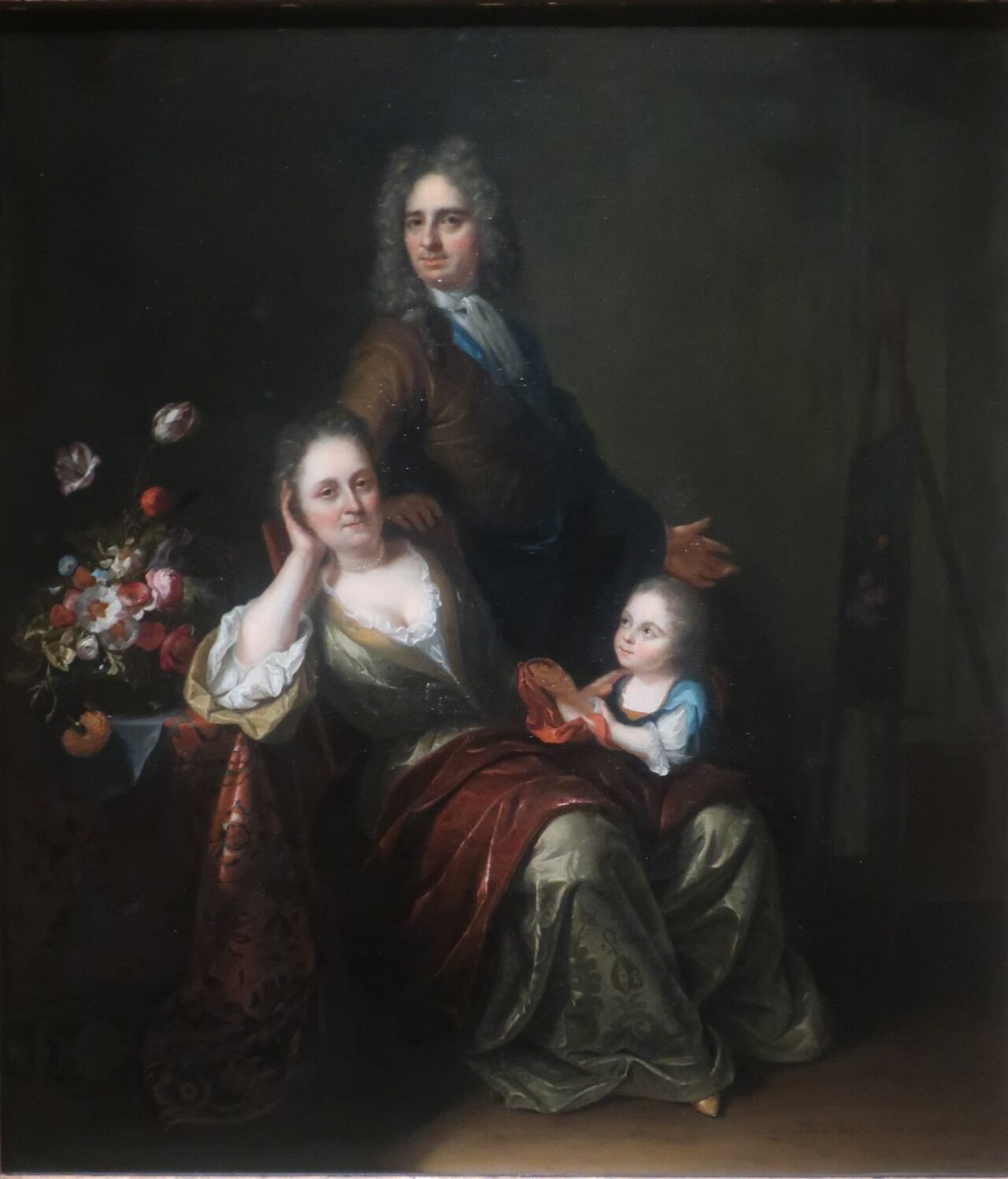
Rachel Ruysch was born in The Hague to Frederik Ruysch, a scientist and professor of anatomy and botany, and Maria Post. Her father maintained a vast collection of animal skeletons, minerals, and botanical samples, which Rachel used to practice drawing. At a young age she began painting flowers and insects from his collection in the manner of Otto Marseus van Schrieck. She and her sister Anna learned to draw and paint within their father's scientific collections; Anna stopped painting after marriage, but Rachel continued professionally for more than six decades. In 1679, at age fifteen, Ruysch was apprenticed to Willem van Aelst, a prominent flower painter in Amsterdam. He taught her how to arrange bouquets to appear spontaneous and less formalized, producing a more realistic, three-dimensional effect. By age eighteen she was producing and selling independently signed works. In 1693 she married Amsterdam portrait painter Juriaen Pool, with whom she had ten children. Throughout her marriage she continued to paint, supported by strong demand for her flower pieces and the high prices they commanded, often earning more than her husband's portrait work. Ruysch enjoyed great fame in her lifetime; her paintings sold for 750–1200 guilders, while Rembrandt rarely received more than 500. In 1708 she was invited to work for the court in Düsseldorf as court painter to Johann Wilhelm, Elector Palatine, continuing until his death in 1716. She died in Amsterdam on 12 October 1750, having produced hundreds of paintings, of which more than 250 are documented or attributed.
Reader's Guide
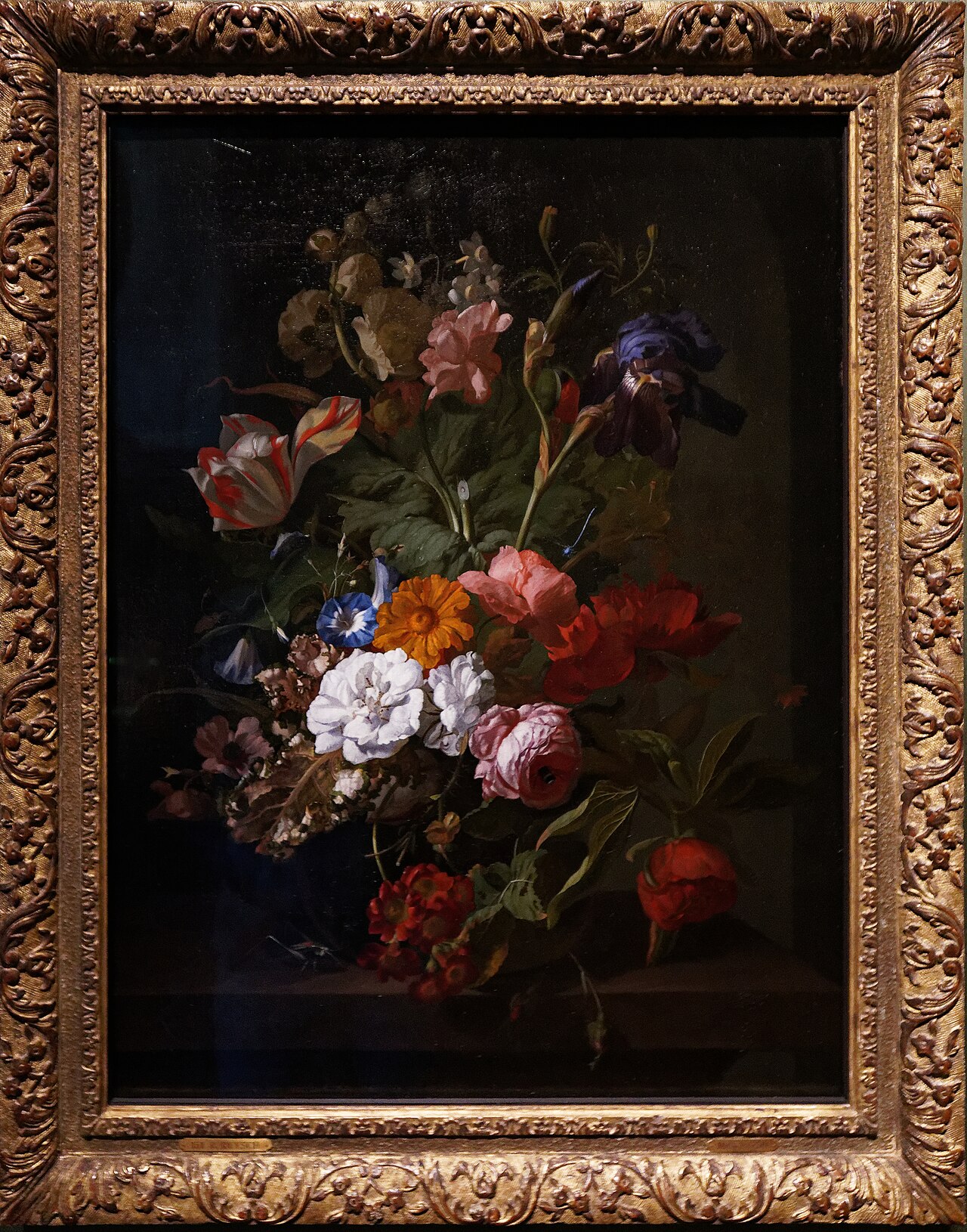
Rachel Ruysch's significance lies in her pioneering role as a female still-life painter who achieved international fame and financial success during the Dutch Golden Age, a period when women were expected to pursue domestic arts. Her career, spanning over six decades, is the best documented of any female painter of that era. She developed a distinctive style that moved away from restrained botanical illustration toward dynamic, asymmetrical compositions with twisting stems and suspended blossoms, creating a sense of energy. Her work blended minute scientific observation—learned from her father's collections—with imagined arrangements that could not exist in nature, merging naturalism with invention. In the twenty-first century, her work has received renewed scholarly attention, including the 2024–25 exhibition 'Rachel Ruysch: Nature into Art' organized by the Alte Pinakothek, the Toledo Museum of Art, and the Museum of Fine Arts, Boston. In March 2021, her work was added to the Rijksmuseum's Gallery of Honour, making her one of the first women included. Her paintings continue to command high prices, with one discovered in a Normandy farmhouse selling for about US$508,000 in 1999.
Did You Know?
- Ruysch's paintings sold for 750–1200 guilders in her lifetime, while Rembrandt rarely received more than 500.
- She was the first female member of the Confrerie Pictura in The Hague, offered membership in 1699.
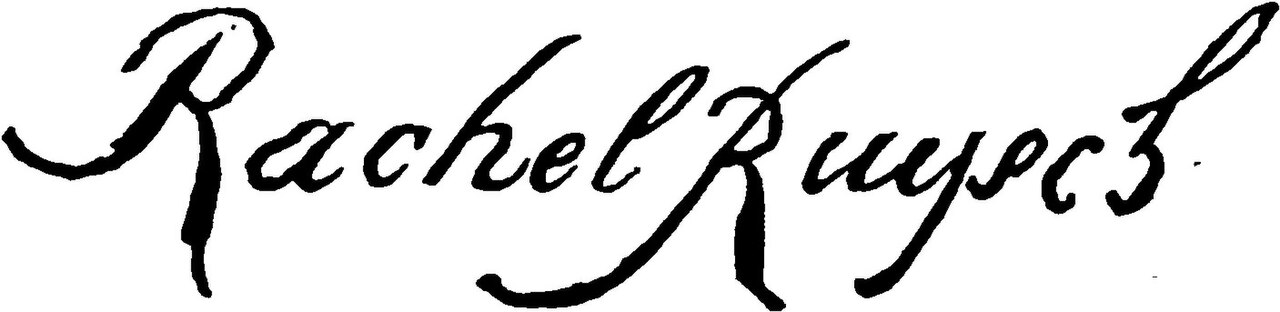
- Ruysch included her age when signing her paintings, allowing historians to confirm she painted from age 15 to 83.
- In 1999, a painting by Ruysch discovered in a Normandy farmhouse sold at auction for about US$508,000.
- In March 2021, her work was added to the Rijksmuseum's Gallery of Honour, making her one of the first women included.
Gallery
Frequently Asked Questions
Who is Rachel Ruysch?
Rachel Ruysch was a Dutch painter of the 17th and 18th centuries who achieved international acclaim for her elaborate floral still-life paintings. She is widely regarded as the most thoroughly documented woman artist of the Dutch Golden Age.
What made Rachel Ruysch's flower paintings distinctive?
Rather than arranging blooms in rigid symmetry, she built her compositions with a sense of movement and asymmetry that gave each bouquet a lively, almost sculptural quality. This personal approach to floral arrangement set her apart from her contemporaries and earned her a devoted following across Europe.
How long did Rachel Ruysch work as a professional painter?
Her active career stretched across more than sixty years, from her early training in the 1670s through commissions well into the 1740s. That extraordinary span made her one of the longest-working artists of the Dutch Golden Age.
Why is Rachel Ruysch important in art history?
She sustained a major international reputation for decades, receiving commissions from royalty and wealthy collectors across the Dutch Republic. Her body of work also gives scholars an unusually rich record of what a woman's professional artistic life looked like in that era.
Where was Rachel Ruysch born and where did she die?
She was born in The Hague on 3 June 1664 and spent her final years in Amsterdam, where she passed away on 12 October 1750. Her life thus bridged two of the most important cultural cities in the Dutch Republic.
More in Renaissance And Baroque Masters 1-22
Spotted an error? Know more?
This is a living reference — every entry is fact-audited, and reader corrections feed straight into our audit queue. Suggest an edit · See this site's audit record