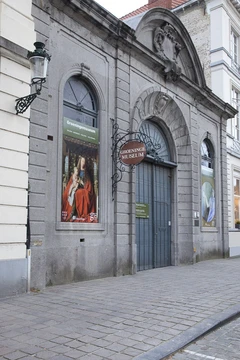
Tilman Riemenschneider
German woodcarver and sculptor of the Late Gothic period.

Holger Uwe Schmitt · CC BY-SA 4.0
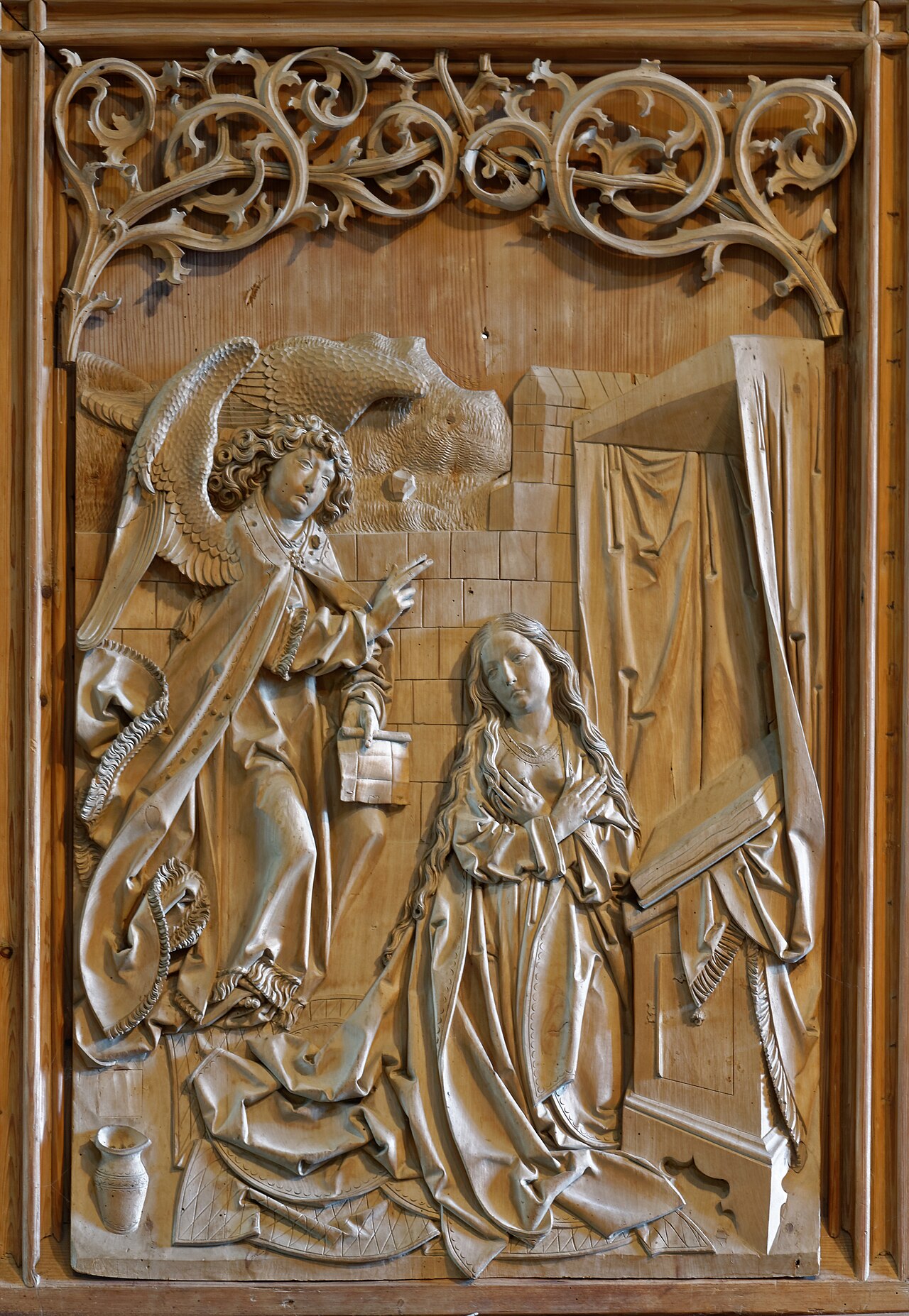
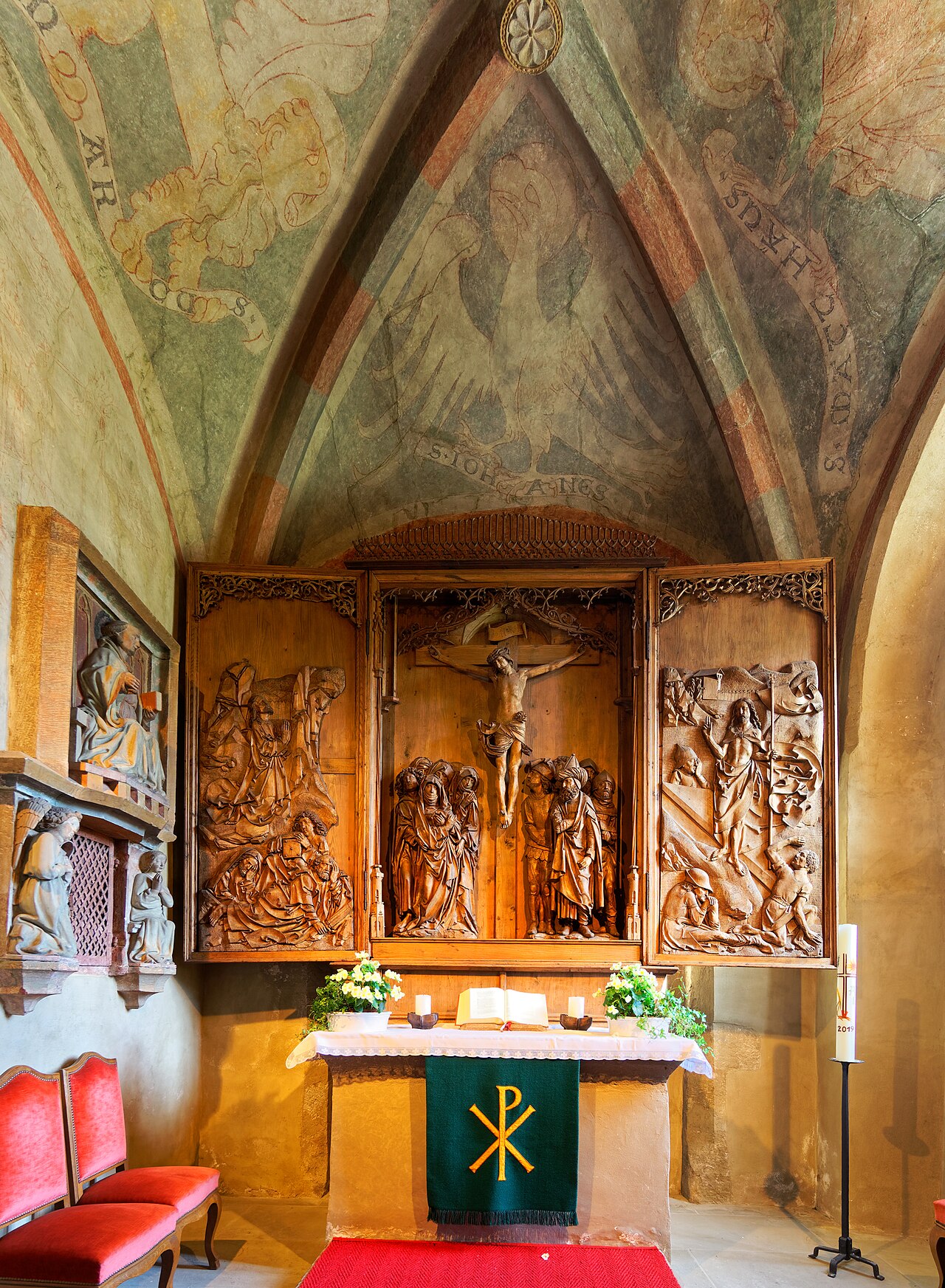
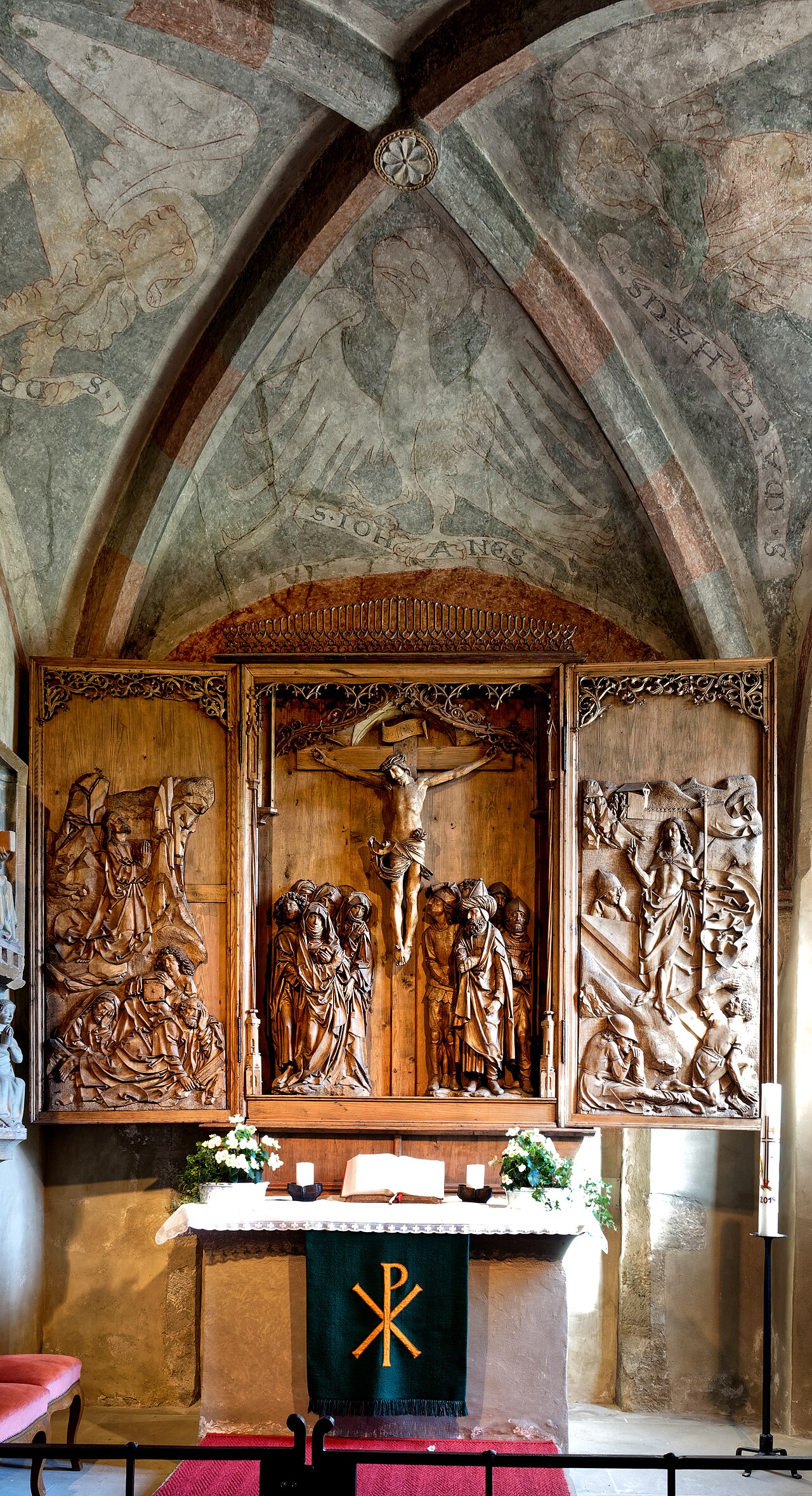
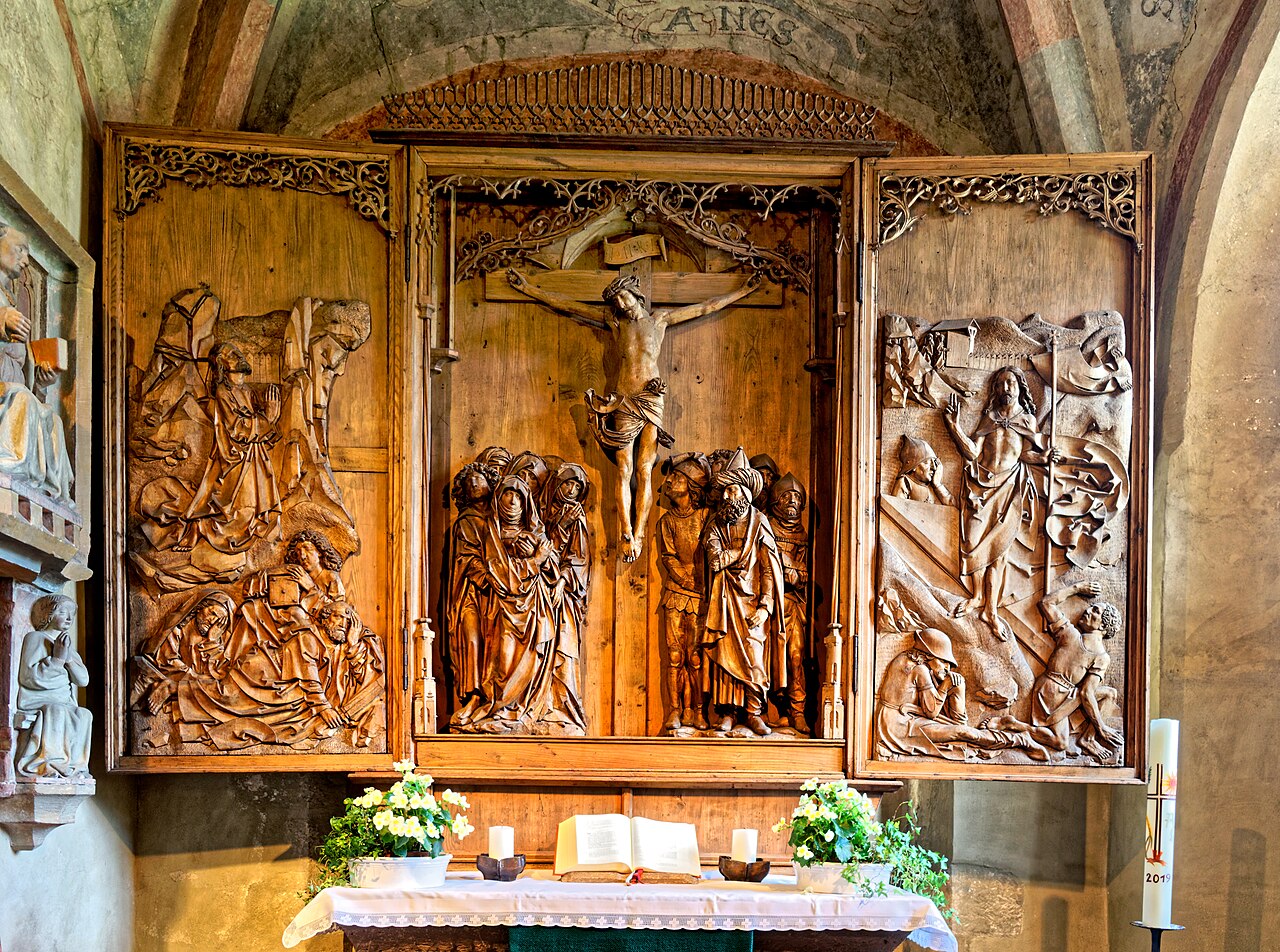
Tilman Riemenschneider (c. A master in limewood and stone, he was one of the most prolific and versatile sculptors of the transition period between the Late Gothic, to which he essentially belonged, and Northern Renaissance art. He was also a local politician in the council of Würzburg. Most of his subjects are religious, including several very large and spectacular carved wood altarpieces, as well as tombs in stone, and statues. He was largely forgotten soon after his death, but rediscovered by art historians in the 19th century.
- field
- Woodcarver and sculptor
- nationality
- German
- known_for
- Large carved wood altarpieces, stone tombs, and religious statues in Late Gothic style
Lore & Background
When he was about five, his family fled a political conflict, the Mainzer Stiftsfehde, resettling in Osterode, where his father became Master of the Mint. His earliest confirmed work is the gravestone of Eberhard von Grumbach at Rimpar.
Reader's Guide
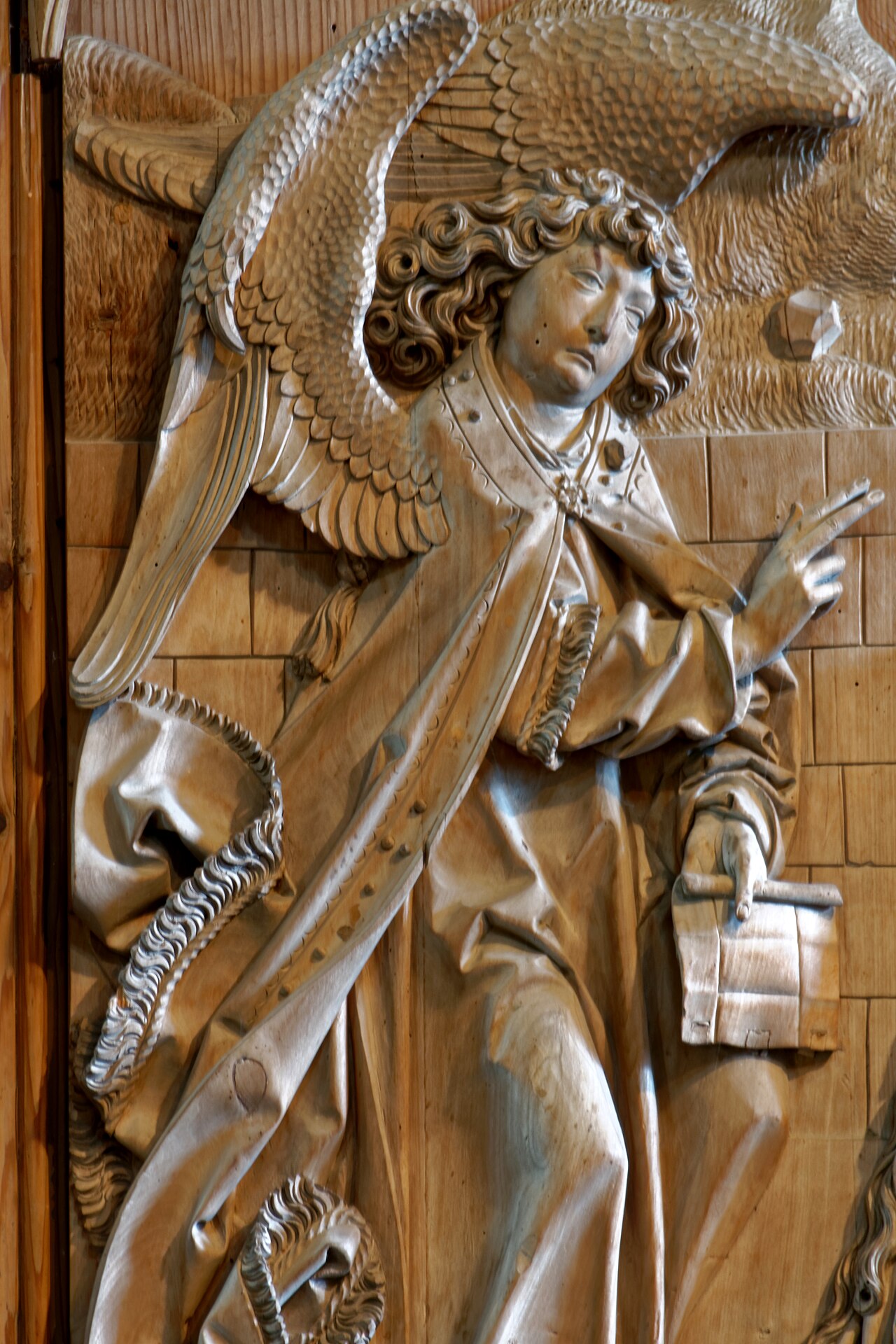
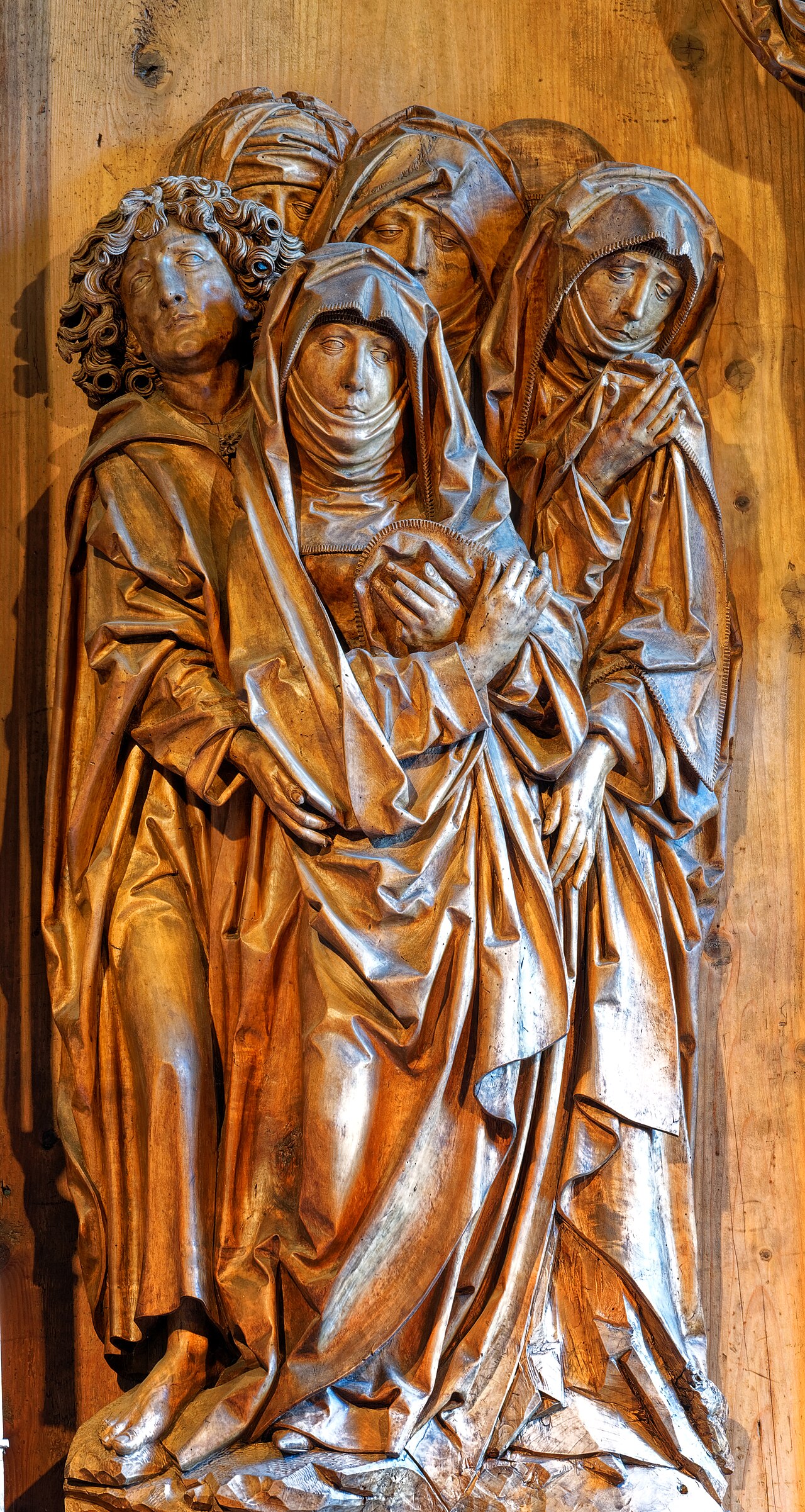
Riemenschneider's significance lies in his prolific output and his role in the transition from Late Gothic to Northern Renaissance art. His work is characterized by expressiveness of faces and careful modeling of garment folds, often with an inward look. He is seen as one of the first sculptors of the 15th century who did not have all his figures painted, working with independent painters rather than employing them in his workshop. His career was interrupted by the German Peasants' War: in 1525, as a town council member who refused to fight the revolting peasants, he was incarcerated and tortured in Marienberg Fortress. The claim that his hands were broken is considered a 19th-century legend. After two months he was freed but lost most of his property. Unlike Albrecht Dürer or Veit Stoss, Riemenschneider acquired true fame only posthumously.
Did You Know?
- The claim that his hands were broken during torture after the Peasants' War is considered a legend without basis in fact, originating in the 19th century.
Gallery
Frequently Asked Questions
What is Tilman Riemenschneider most famous for?
He is best known for his massive carved limewood altarpieces, as well as stone tombs and religious statues. His work is marked by dramatic expressiveness and a late Gothic sensibility that pushes toward the Northern Renaissance.
What artistic period does Tilman Riemenschneider belong to?
He is generally classified as a Late Gothic artist, though his career spans the transition into the Northern Renaissance. His style retains the emotional intensity and ornamental detail of the Gothic tradition while showing emerging Renaissance influences.
Did Tilman Riemenschneider have any role outside of art?
Yes—he served on the city council of Würzburg, taking part in local governance alongside his sculptural career. This dual role as both artist and civic politician is relatively unusual for a medieval craftsman of his stature.
More in Renaissance And Baroque Masters 1-22
Spotted an error? Know more?
This is a living reference — every entry is fact-audited, and reader corrections feed straight into our audit queue. Suggest an edit · See this site's audit record